
Pedestrian Accident Lawyer Chapel Hill, NC
When a vehicle strikes a pedestrian, the consequences are severe. Unlike vehicle occupants protected by airbags, seatbelts, and steel frames, pedestrians absorb the full force of impact directly. These collisions routinely cause broken bones, internal organ damage, traumatic brain injuries, and spinal cord trauma. Recovery often requires months or years of medical treatment. Many victims sustain permanent disabilities that fundamentally alter their lives.
If you were struck by a vehicle while walking in Chapel Hill, North Carolina law provides avenues for pursuing compensation. Drivers owe pedestrians a duty of care. When they breach that duty through distraction, speeding, failure to yield, or other negligent conduct, injured pedestrians may recover damages for medical bills, lost wages, pain and suffering, and related losses.
Burton Law Firm has represented accident victims in Chapel Hill and throughout Orange County for more than thirteen years. We handle pedestrian accident cases on contingency, meaning you pay nothing unless we secure compensation for you. If you need a Chapel Hill, NC pedestrian accident lawyer dedicated to obtaining maximum recovery, contact our office for a free consultation.
Why Choose Burton Law Firm for Pedestrian Accidents in Chapel Hill, NC?
Familiarity with Chapel Hill Pedestrian Accident Claims
Chapel Hill presents particular pedestrian safety challenges. The University of North Carolina campus generates heavy foot traffic throughout the day. Downtown Franklin Street mixes pedestrians with vehicle traffic in a compact commercial district. Residential neighborhoods see students and families walking to campus, schools, and local businesses. These conditions create frequent opportunities for vehicle-pedestrian conflicts.
Attorney Jason Burton has represented pedestrian accident victims in Orange County for over a decade. He understands the intersections and crosswalks where accidents concentrate, how Chapel Hill police investigate pedestrian crashes, and what evidence proves driver negligence conclusively. As your personal injury lawyer in Chapel Hill, NC, Mr. Burton has pursued claims against distracted drivers, motorists who ran red lights, and operators who failed to yield at marked crosswalks.
Mr. Burton earned his law degree from Elon University School of Law, graduating first in his class with summa cum laude honors. He holds licenses in North Carolina and Virginia and maintains a 10.0 Avvo rating.
His family background informs his approach to these cases. Mr. Burton represents the fifth generation of trial lawyers in his family. His father built a career defending insurance companies against injury claims. Those decades of dinner table discussions about claim evaluation, defense strategies, and settlement negotiations gave Mr. Burton insight into how the opposition thinks. He now uses that knowledge to anticipate insurer arguments and counter them effectively.
Track Record of Results
Burton Law Firm has recovered millions of dollars for personal injury and wrongful death clients across Orange County. Our results span various accident types including cases involving catastrophic injuries requiring extensive treatment and producing lasting impairment.
Mr. Burton’s case outcomes have earned recognition from professional organizations. He holds membership in the Million Dollar Advocates Forum and Multi-Million Dollar Advocates Forum. The National Trial Lawyers selected him for their Top 40 Under 40 list. These memberships require demonstrated results rather than payment.
Contingency Fee Representation
Serious injuries create financial strain. Medical bills arrive while income stops. Adding attorney fees to that burden would prevent many victims from pursuing legitimate claims. Burton Law Firm eliminates that barrier by handling pedestrian accident cases on contingency.
You pay no retainer. You pay no hourly charges. We advance case costs. Our fee comes from the recovery we obtain. If we recover nothing, you owe nothing for our services.
Client Experience
⭐⭐⭐⭐⭐
“Jason Burton is excellent. He answered my call on Saturday evening when I was stressed about my situation. He gathered up the necessary information, asked all the pertinent questions, provided great clarity and a way forward. During a difficult time, he immediately put my mind at ease.” — Alex MacDonald
Additional reviews appear on our Google Business Profile.
Types of Pedestrian Accident Cases We Handle in Chapel Hill
Pedestrian accidents occur under varied circumstances throughout Chapel Hill. The location, driver conduct, and specific conditions affect liability analysis and compensation recovery. Burton Law Firm handles all types of pedestrian accident claims.
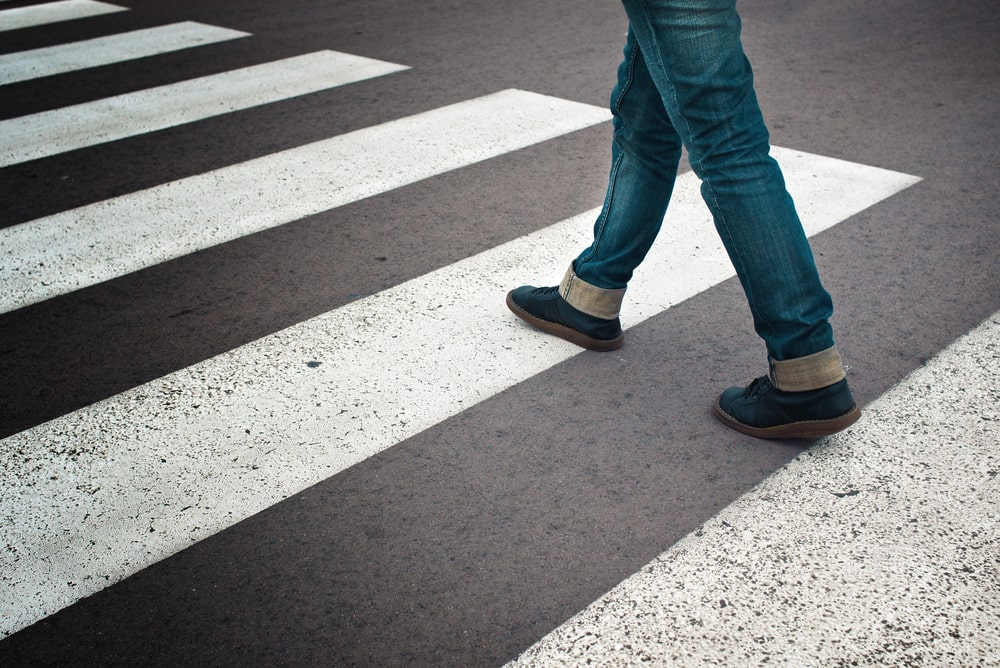
- Crosswalk accidents. Drivers must yield to pedestrians in marked crosswalks. Despite this clear legal duty, motorists frequently fail to stop, particularly when distracted or in a hurry. Crosswalk accidents along Franklin Street, near campus, and at signalized intersections represent a substantial portion of Chapel Hill pedestrian crashes.
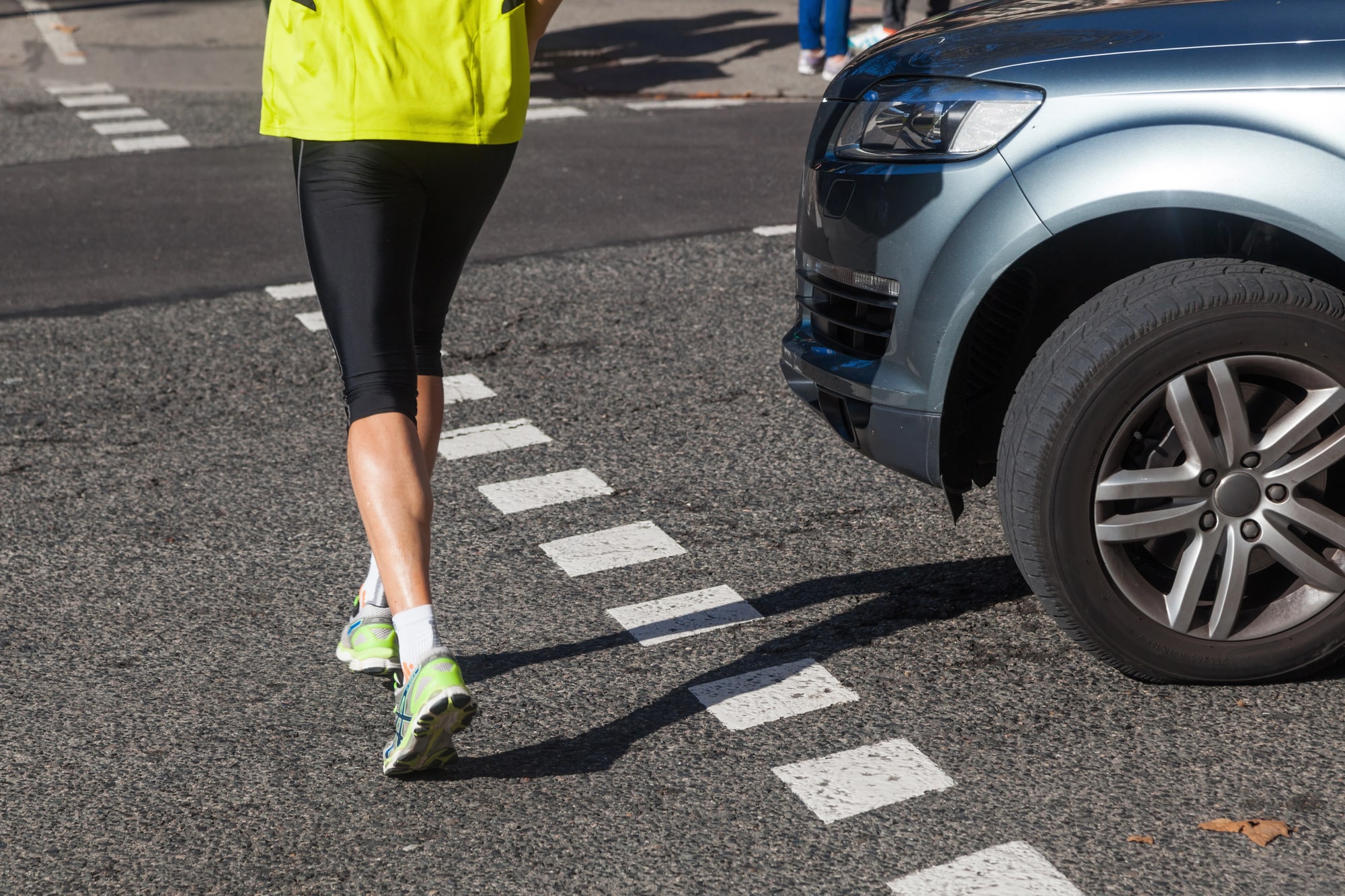
- Intersection collisions. Intersections concentrate conflict between pedestrians and turning vehicles. Left-turning drivers watching for oncoming traffic may miss pedestrians entering crosswalks. Right-turning drivers focused on merging sometimes fail to check crosswalks before accelerating.
- Parking lot accidents. Shopping center lots, parking garages, and street parking areas see vehicles backing out and maneuvering in close proximity to pedestrians. Limited sightlines and distracted drivers create dangerous conditions.
- Sidewalk intrusions. Drivers losing control, mounting curbs, or cutting through parking lots sometimes strike pedestrians on sidewalks where they should be completely safe. These accidents often involve impaired or reckless driving.
- Hit-and-run accidents. Some drivers flee after striking pedestrians. These cases require investigation to identify responsible parties. When identification proves impossible, the victim’s uninsured motorist coverage may provide recovery.
- Distracted driving accidents. Drivers using phones, adjusting controls, or otherwise diverted from the road cause a substantial percentage of pedestrian accidents. Evidence of distraction strengthens claims significantly.
- Drunk driving accidents. Impaired drivers present extreme danger to pedestrians. Alcohol slows reaction time and impairs judgment. DUI pedestrian accidents may support punitive damage claims.
- Wrongful death claims. Fatal pedestrian accidents allow surviving family members to pursue compensation for funeral expenses, lost financial support, loss of companionship, and other damages under North Carolina’s wrongful death statute.
North Carolina Legal Requirements for Pedestrian Accident Cases
Several North Carolina laws shape how pedestrian accident claims proceed. Understanding these requirements helps victims assess their cases realistically.
Contributory Negligence Doctrine
North Carolina maintains pure contributory negligence. Under this rule, any fault attributed to the plaintiff, however small, may bar recovery completely. North Carolina is among only four states plus the District of Columbia retaining this standard.
Insurance adjusters exploit this doctrine aggressively in pedestrian cases. They argue that pedestrians crossed against signals, entered crosswalks without checking traffic, walked outside marked crossings, wore dark clothing at night, or otherwise contributed to accidents. Even questionable arguments create leverage for reducing settlements.
Defeating contributory negligence defenses requires thorough investigation and evidence development. Witness statements, traffic camera footage, crosswalk signal timing data, and accident reconstruction analysis establish driver fault while refuting allegations against pedestrians. Burton Law Firm investigates pedestrian accidents comprehensively to protect clients from these tactics.
Pedestrian Right-of-Way Laws
North Carolina statutes establish pedestrian rights and responsibilities. Under N.C. Gen. Stat. § 20-173, drivers must yield to pedestrians in marked crosswalks and at intersections. N.C. Gen. Stat. § 20-174 addresses pedestrian duties including using crosswalks when available and obeying traffic signals.
Documentation of driver violations supports claims for compensation. When drivers fail to yield at crosswalks, run red lights, or otherwise violate pedestrian right-of-way laws, that evidence establishes negligence.
Statute of Limitations
N.C. Gen. Stat. § 1-52 requires personal injury lawsuits to be filed within three years of the accident. Wrongful death claims must be filed within two years under N.C. Gen. Stat. § 1-53.
Courts dismiss cases filed after these deadlines regardless of merits. Evidence also deteriorates as time passes. Witnesses relocate or forget details. Surveillance footage gets overwritten. Physical evidence disappears. Prompt consultation with an attorney protects your claim.
Punitive Damages
Standard negligence does not support punitive damages. However, when driver conduct rises to willful or wanton recklessness, N.C. Gen. Stat. § 1D-25 authorizes punitive awards. Drunk driving, texting while driving, excessive speed, and similar egregious conduct may qualify.
North Carolina caps punitive damages at three times compensatory damages or $250,000, whichever greater.
What Damages Are Recoverable in Chapel Hill Pedestrian Accident Cases?
Pedestrian accident victims may pursue compensation across several categories. Available damages depend on injury severity, financial impact, and case-specific circumstances.
Economic Damages
Economic damages address quantifiable financial losses resulting from the accident.
Medical expenses typically dominate economic damages in serious pedestrian cases. Emergency room treatment, trauma surgery, hospitalization, diagnostic imaging, prescription medications, physical therapy, occupational therapy, and follow-up appointments generate substantial costs. Pedestrian accidents frequently cause injuries requiring extended treatment. Traumatic brain injuries may necessitate years of cognitive rehabilitation. Spinal cord damage often requires lifelong medical management. Future medical needs are recoverable when properly documented.
Lost income represents another substantial category. Victims recover wages lost during treatment and recovery. When injuries prevent return to previous employment, claims include diminished earning capacity projected across remaining work life. Severe permanent injuries to young victims can produce lifetime earnings losses reaching substantial amounts.
Property damage claims cover personal items destroyed in the collision including phones, watches, glasses, clothing, and bags.
Non-Economic Damages.
Physical pain accompanies most serious pedestrian injuries. Impact trauma is painful. Surgical recovery involves significant discomfort. Rehabilitation exercises produce ongoing pain. Some injuries cause chronic pain lasting years or permanently.
Emotional and psychological harm frequently follows traumatic pedestrian accidents. Victims may develop anxiety about crossing streets, fear of traffic, depression, post-traumatic stress symptoms, nightmares, and difficulty leaving home. These psychological effects can be as debilitating as physical injuries.
Loss of enjoyment affects victims who can no longer participate in activities they previously valued. Walking, hiking, running, sports, travel, and other pursuits may become impossible or unsatisfying.
North Carolina does not cap non-economic damages in most personal injury cases. Pedestrian accident victims may pursue full compensation for these genuine losses.
Punitive Damages
When drivers acted with willful disregard for pedestrian safety, punitive damages may apply. Drunk driving, texting while driving, street racing, and fleeing the scene all suggest conduct warranting punishment beyond compensatory damages.
According to NHTSA pedestrian safety data, over 7,500 pedestrians died in traffic crashes nationally in recent years, the highest figures in decades. Courts recognize the severity of negligent conduct that endangers pedestrians.
What Steps Should I Take After a Pedestrian Accident?
Actions taken after a pedestrian accident affect immediate health outcomes and subsequent legal claims. Consider the following steps.
1. Remain at the scene if able. Do not leave the accident location unless medical transport requires it. Remaining allows you to document the scene and obtain driver information.
2. Call 911 immediately. Request emergency medical assistance and police response. Even if injuries seem minor, professional medical evaluation is essential. Law enforcement documentation creates official records of the accident.
3. Accept medical transport if recommended. Emergency responders assess injuries at the scene. Accept ambulance transport to a hospital if they recommend it. Pedestrian accident injuries frequently prove more serious than initial symptoms suggest. Internal bleeding, organ damage, and brain injuries may not manifest immediately.
4. Document everything possible. If your condition permits, photograph the accident location, the vehicle that struck you, traffic signals, crosswalk markings, any debris, and your visible injuries. These images preserve conditions that change before investigators arrive.
5. Obtain driver and witness information. Record the driver’s name, address, phone number, license plate, insurance company, and policy number. Get names and contact information from anyone who witnessed the accident.
6. Avoid discussing fault. Do not apologize or speculate about what happened. Do not give recorded statements to insurance adjusters without legal counsel. Statements made after accidents can be used against you.
7. Request the police report. Contact the investigating law enforcement agency to obtain the official accident report. For Chapel Hill accidents, this typically means Chapel Hill Police Department. The report documents officer observations and may note driver citations.
8. Follow medical recommendations. Attend all follow-up appointments and comply with treatment plans. Gaps in treatment give insurance companies arguments that injuries were not serious.
9. Preserve clothing and personal items. Do not wash, repair, or discard clothing worn during the accident. These items may constitute evidence of impact force and injury mechanism.
10. Consult an attorney before settling. Insurance companies contact accident victims quickly, offering settlements designed to close files inexpensively. These early offers rarely reflect claim value. Speak with a pedestrian accident attorney before accepting any payment.
Pedestrian Accident Statistics in Chapel Hill
Statistical data reveals the scope of pedestrian safety concerns in North Carolina and nationally.
The North Carolina Department of Transportation reports that pedestrian crashes cause over 200 fatalities and thousands of injuries statewide annually. Urban areas with higher pedestrian activity experience elevated crash rates.
National data from NHTSA shows alarming trends. Pedestrian fatalities have increased substantially over the past decade. Over 7,500 pedestrians now die annually in traffic crashes, the highest totals since the 1980s. Pedestrians account for approximately 17% of all traffic fatalities despite representing a small fraction of road users.
CDC injury statistics indicate that emergency departments treat approximately 137,000 pedestrians for non-fatal crash injuries annually. Older adults and children face disproportionate risk.
Several factors drive pedestrian danger. Distracted driving has increased with smartphone proliferation. Vehicle designs featuring higher front ends and heavier weights produce more severe pedestrian impacts. Larger vehicles including SUVs and trucks cause more pedestrian fatalities per collision than smaller cars.
Chapel Hill’s environment presents specific risks. The university campus generates constant pedestrian movement throughout the academic year. Franklin Street combines commercial activity, nightlife, and residential access in a pedestrian-heavy corridor. Students walking to class, residents walking downtown, and visitors unfamiliar with traffic patterns all face exposure.
Evening hours prove particularly dangerous. Reduced visibility combines with driver fatigue and, on weekends, alcohol impairment. Crosswalks that seem safe during daylight become hazardous after dark.

Chapel Hill Pedestrian Accident Lawyer FAQs
What does hiring a pedestrian accident lawyer cost?
Burton Law Firm handles pedestrian accident cases on contingency. You pay no upfront costs. We receive a percentage of compensation recovered. If we do not obtain recovery, you owe nothing for legal services.
What compensation might I recover after being struck by a vehicle?
Available compensation depends on your injuries and losses. Economic damages cover medical expenses, lost wages, and diminished earning capacity. Non-economic damages address pain, suffering, emotional distress, and loss of enjoyment. Punitive damages may apply when driver conduct was particularly reckless.
How long do I have to file a pedestrian accident claim?
North Carolina law requires personal injury claims to be filed within three years of the accident. Wrongful death claims must be filed within two years. Courts enforce these deadlines strictly.
What if the driver claims I was at fault?
Insurance companies routinely argue pedestrian fault to reduce or eliminate claims. North Carolina’s contributory negligence doctrine makes these arguments particularly dangerous. We investigate accidents thoroughly, develop evidence of driver negligence, and prepare responses defeating fault allegations against our clients.
What evidence supports a pedestrian accident claim?
Valuable evidence includes police reports, witness statements, traffic camera footage, crosswalk signal data, photographs of the scene and injuries, medical records, and documentation of financial losses. Prompt evidence collection matters because some evidence disappears quickly.
Should I accept the insurance company’s settlement offer?
We recommend consulting an attorney before accepting any settlement. Early offers typically undervalue claims, particularly when injuries require ongoing treatment or produce permanent effects. Understanding your claim’s full value before accepting any offer protects your interests.
What if the driver fled the scene?
Hit-and-run pedestrian accidents require investigation to identify responsible drivers. When identification proves impossible, your uninsured motorist coverage may provide compensation. We pursue all available recovery sources.
Can I pursue a claim if I was not in a crosswalk?
Pedestrians outside crosswalks may still recover compensation depending on circumstances. Driver negligence remains the central issue. If the driver was speeding, distracted, or otherwise negligent, liability may exist regardless of crosswalk use. However, crossing outside crosswalks can support contributory negligence arguments requiring careful handling.
What if a commercial vehicle struck me?
When delivery trucks, buses, or other commercial vehicles cause pedestrian accidents, claims may extend to the operating company. Commercial operators typically carry higher insurance limits. Employer liability for driver conduct provides additional recovery sources.
How long does resolution of a pedestrian accident case take?
Timelines vary based on injury severity, treatment duration, and insurance company responsiveness. Cases involving serious injuries typically take longer because maximum recovery requires waiting until treatment concludes or medical condition stabilizes. Straightforward cases may resolve within months. Complex cases may require a year or longer.
Will my case go to trial?
Most pedestrian accident cases settle before trial. However, we prepare every case for litigation. Insurance companies evaluate claims partly based on whether opposing counsel will actually try cases. Thorough preparation produces better settlement offers. If appropriate resolution cannot be achieved, we present cases to juries.
What if I have questions about my accident?
Contact Burton Law Firm for a free consultation. We review accident circumstances, evaluate potential claims, explain options, and answer questions. There is no cost and no obligation.
Can family members pursue claims if a pedestrian accident caused death?
Yes. North Carolina’s wrongful death statute allows certain surviving family members to pursue claims. These claims may recover funeral expenses, medical costs incurred before death, lost financial support, and loss of companionship and guidance.
What makes pedestrian accident cases different from vehicle-only crashes?
Pedestrian accidents produce more severe injuries because pedestrians lack vehicle protection. Insurance adjusters more frequently attempt to blame pedestrians. Jury sympathy can cut both ways, with some jurors holding bias against pedestrians they view as careless. These factors require attorneys experienced with pedestrian-specific issues.
What if road design contributed to my accident?
Defective road conditions, inadequate crosswalk markings, missing pedestrian signals, or poor intersection design sometimes contribute to pedestrian accidents. Claims against government entities involve special procedures and shorter deadlines. Prompt consultation is particularly important for these cases.
Most Dangerous Locations for Pedestrian Accidents in Chapel Hill
Certain Chapel Hill locations present heightened pedestrian risk due to traffic volume, road design, or visibility conditions.
Franklin Street. Chapel Hill’s primary commercial corridor sees heavy pedestrian activity throughout the day and into evening hours. Crosswalks at Columbia Street, Henderson Street, and other intersections see frequent pedestrian-vehicle conflicts. Nighttime hours add impaired drivers to daytime congestion.
Columbia Street near UNC Campus. Student pedestrian traffic peaks between classes. Drivers unfamiliar with campus traffic patterns or distracted by navigation create risk.
Martin Luther King Jr. Boulevard. Higher vehicle speeds along this arterial route combined with pedestrians accessing commercial areas produce dangerous conditions. Intersection crossings require particular vigilance.
South Road and Country Club Road. Routes connecting campus to residential neighborhoods carry mixed pedestrian and vehicle traffic. Students walking between class buildings and off-campus housing face exposure.
Estes Drive Corridor. Shopping centers generate pedestrian activity in parking areas and along roadway edges. Turning vehicles conflict with crossing pedestrians.
US-15/501 (Fordham Boulevard). Though primarily vehicle-oriented, this corridor sees pedestrian crossings near shopping centers and bus stops. High speeds make any pedestrian collision severe.
What Are Important Local Resources for Chapel Hill Pedestrian Accident Victims?
The following organizations may assist individuals injured in pedestrian accidents in Chapel Hill and Orange County. Inclusion on this list does not constitute endorsement by Burton Law Firm.
- Chapel Hill Police Department – (919) 968-2760
- Orange County Sheriff’s Office – (919) 644-3050
- UNC Medical Center – (984) 974-1000
- UNC Hospitals Emergency Department – (984) 974-1000
- Orange County EMS – (919) 245-6100
- Chapel Hill Transit – (919) 969-4900
- NC DMV Crash Reports – For obtaining official accident documentation
- Orange County Clerk of Superior Court – (919) 644-4500
Contact Burton Law Firm
If a negligent driver struck you while walking in Chapel Hill, you have legal options. Burton Law Firm represents pedestrian accident victims throughout Orange County and central North Carolina.
Consultations are free and carry no obligation. We handle pedestrian accident cases on contingency, so you pay nothing unless we recover compensation for you. During your consultation, we will review the circumstances of your accident, explain your legal rights under North Carolina law, and answer your questions.
Contact us today to schedule your free case evaluation.