
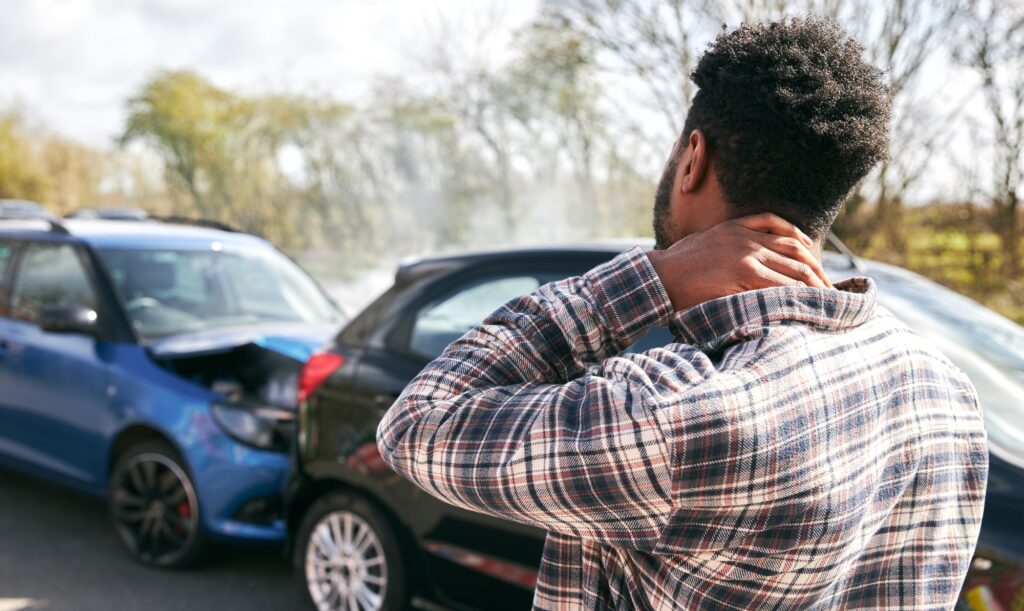
Car Accident Lawyer Chapel Hill, NC
When a car accident disrupts your life, the consequences extend far beyond the initial collision. Medical bills accumulate while you recover. Lost wages compound financial pressure. Insurance adjusters contact you seeking statements and documentation, often before you fully understand the extent of your injuries.
North Carolina law permits accident victims to recover compensation for medical expenses, lost income, property damage, pain and suffering, and other losses caused by another driver’s negligence. However, the state’s contributory negligence doctrine creates obstacles that do not exist in most other jurisdictions. Insurance companies understand this rule and use it aggressively to minimize or deny claims entirely.
Our Chapel Hill, NC car accident lawyer has spent 13 years representing individuals injured in collisions throughout Orange County. Attorney Jason Burton understands how insurance companies evaluate claims because his father spent an entire career on the defense side. That perspective informs how we investigate accidents, document injuries, and negotiate with adjusters. Burton Law Firm handles car accident cases on contingency. You pay nothing unless we recover compensation on your behalf.
If you sustained injuries in a car accident caused by another driver’s negligence, contact us for a free consultation to discuss your legal options.
Why Choose Burton Law Firm for Car Accident Cases in Chapel Hill, NC?
Local Legal Knowledge in Orange County

Car accident cases in North Carolina present challenges that do not exist in most states. The contributory negligence doctrine can bar recovery entirely if the insurance company establishes that you bore any fault for the collision, even 1%. Adjusters scrutinize every detail searching for arguments that you contributed to the accident. Were you exceeding the speed limit? Did you fail to signal? Could you have reacted more quickly? These arguments do not always succeed, but they create leverage that affects settlement negotiations.
Attorney Jason Burton has handled car accident claims in Orange County for over a decade. He understands how local courts approach these cases, which judges handle civil matters, and what strategies prove effective in this jurisdiction. His father spent decades representing insurance companies, which means Mr. Burton learned how the defense evaluates claims before he ever represented his first injured client.
Mr. Burton graduated first in his class from Elon University School of Law, earning summa cum laude honors. He maintains licenses in both North Carolina and Virginia. His Avvo rating is 10.0.
If your injuries extend beyond a car accident claim and you require a personal injury lawyer in Chapel Hill, NC for any serious matter, our firm handles the full range of injury cases.
Demonstrated Results for Accident Victims
Burton Law Firm has recovered millions of dollars for clients in car accident, catastrophic injury, and wrongful death cases throughout Orange County. Our motor vehicle accident results include a $725,000 recovery in a DUI collision case and numerous other settlements and verdicts for clients with serious injuries.
Mr. Burton holds membership in the Million Dollar Advocates Forum and Multi-Million Dollar Advocates Forum, both as a Life Member since 2016. Fewer than 1% of attorneys nationwide qualify for these organizations. The National Trial Lawyers named him to their Top 40 Under 40 list. North Carolina Super Lawyers recognized him as a Rising Star from 2017 through 2019. He was selected for America’s Top 100 High Stakes Litigators in 2018 and maintains a 10.0 rating on Avvo.
These recognitions reflect verified case outcomes rather than purchased credentials. Each case presents different circumstances, and past results do not guarantee future outcomes. Our track record does, however, demonstrate that we understand how to build strong claims and pursue maximum compensation.
No Upfront Costs
Serious car accidents create immediate financial pressure. Medical bills arrive while income stops. The prospect of paying attorney fees on top of existing expenses prevents some accident victims from pursuing legitimate claims.
We handle car accident cases on contingency. There is no retainer requirement. There are no hourly charges. We advance costs for investigation, medical records, expert witnesses, and litigation. Our fee comes exclusively from compensation we recover. If we recover nothing, you owe nothing.
What Our Clients Say
⭐⭐⭐⭐⭐
“Jason was such a pleasure to work with! He is very professional, detail oriented, and caring! He is very thoughtful and treats you with a genuine kindness that is hard to come by these days. I am very grateful I chose Jason Burton to represent me in a car accident claim! He is by far the best and do not hesitate to use his services if you want the best of the best!” – Maryn Reichart
Additional reviews appear on our Google Business Profile.
Types of Car Accident Cases We Handle in Chapel Hill

Car accidents occur under varied circumstances throughout Chapel Hill and Orange County. The specific situation affects liability analysis, available evidence, and potential compensation. Burton Law Firm handles all types of motor vehicle accident claims.
- Rear-end collisions. Drivers who follow too closely or fail to pay attention strike vehicles in front of them. While the trailing driver typically bears fault in rear-end accidents, insurance companies still attempt to argue that the lead driver stopped suddenly or without reason. We gather evidence establishing that the other driver’s negligence caused the collision.
- Intersection accidents. Intersections concentrate conflict points between vehicles. Drivers running red lights, rolling through stop signs, or failing to yield cause crashes that often result in significant injuries due to the angles of impact. Determining fault may require traffic camera footage, witness statements, and accident reconstruction analysis.
- Left-turn accidents. Drivers turning left across oncoming traffic frequently misjudge the speed of approaching vehicles or fail to see them entirely. These collisions often produce severe injuries because the turning vehicle strikes the oncoming vehicle’s driver-side door area.
- Head-on collisions. When vehicles collide front-to-front, the combined speeds produce catastrophic force. Head-on accidents frequently result in fatalities or life-altering injuries. These crashes often involve drivers who crossed the center line due to distraction, impairment, or fatigue.
- Sideswipe accidents. Drivers changing lanes without checking blind spots or drifting out of their lanes strike vehicles traveling alongside them. While sometimes dismissed as minor, sideswipe collisions can cause serious injuries, particularly when vehicles lose control following initial contact.
- Truck accidents. Collisions involving commercial vehicles present distinct challenges due to the size disparity between tractor-trailers and passenger vehicles. These cases may involve multiple liable parties and require examination of federal trucking regulations.
- Motorcycle accidents. Riders lack the structural protection that vehicle occupants have. When cars strike motorcycles, riders frequently sustain severe injuries including traumatic brain injuries and spinal cord damage. Adjusters often attempt to blame motorcyclists regardless of actual fault.
- Pedestrian accidents. When vehicles strike pedestrians, the injuries are frequently catastrophic. Chapel Hill sees significant foot traffic near UNC’s campus and Franklin Street. Distracted driving contributes to many pedestrian crashes.
- Bicycle accidents. Cyclists share Chapel Hill’s roads with motor vehicles but have minimal protection when collisions occur. Drivers who fail to check blind spots, open doors into bike lanes, or pass too closely cause serious injuries to riders.
- DUI accidents. Impaired drivers pose extreme danger on Chapel Hill roads. When drunk or drugged drivers cause accidents, victims may pursue civil damages regardless of criminal charges. These cases may support punitive damage claims in addition to compensatory damages.
- Hit-and-run accidents. Drivers who flee accident scenes leave victims without obvious recourse. We investigate to identify responsible drivers when possible. When identification proves impossible, uninsured motorist coverage may provide compensation.
- Uninsured and underinsured motorist claims. Not all at-fault drivers carry adequate insurance. When the responsible driver lacks sufficient coverage, your own uninsured/underinsured motorist policy may provide compensation. These claims require navigating your own insurance company’s processes.
North Carolina Legal Requirements for Car Accident Cases

Several North Carolina laws significantly affect how car accident claims proceed. Understanding these requirements helps accident victims evaluate their cases and make informed decisions.
Contributory Negligence
North Carolina follows pure contributory negligence. Under this doctrine, a plaintiff who bears any fault for an accident may be completely barred from recovery. Only three other states and the District of Columbia retain this standard.
Insurance adjusters exploit contributory negligence aggressively in car accident cases. They argue that drivers were exceeding speed limits, failed to maintain proper lookout, followed too closely, or could have avoided the collision through better reaction. Even dubious allegations create settlement leverage because juries in North Carolina can deny recovery based on any plaintiff fault.
Defeating these defenses requires thorough investigation. Witness statements, traffic camera footage, accident reconstruction analysis, police reports, and evidence of the other driver’s violations establish that the defendant caused the collision. Burton Law Firm investigates car accidents comprehensively to protect clients from contributory negligence tactics.
Statute of Limitations
N.C. Gen. Stat. § 1-52 requires personal injury lawsuits to be filed within three years of the accident date. Property damage claims also face a three-year deadline. Courts enforce these limitations strictly. Claims filed after the deadline expires face dismissal regardless of merit.
Evidence also deteriorates over time. Witnesses forget details. Surveillance footage gets deleted. Vehicle damage gets repaired. Physical evidence disappears. Prompt consultation with an attorney protects both your legal rights and the evidence supporting your claim.
Insurance Requirements
North Carolina requires drivers to carry minimum liability insurance of $30,000 per person and $60,000 per accident for bodily injury, plus $25,000 for property damage. However, minimum coverage often proves inadequate for serious injuries. Medical expenses alone can exceed policy limits in cases involving hospitalization, surgery, or ongoing treatment.
When the at-fault driver’s insurance is insufficient, your own underinsured motorist coverage may provide additional compensation. North Carolina law requires insurers to offer UM/UIM coverage, though drivers may reject it in writing.
Fault Determination
North Carolina is a fault-based insurance state. The driver who caused the accident bears financial responsibility for resulting damages. This means you pursue a claim against the at-fault driver’s insurance rather than your own.
However, insurance companies frequently dispute fault or attempt to assign partial blame to the injured party. Establishing clear liability requires evidence demonstrating that the other driver breached their duty of care and caused your injuries.
What Damages Are Recoverable in Chapel Hill Car Accident Cases?

Car accident victims may pursue compensation across several categories. Available damages depend on injury severity, financial losses, and case-specific circumstances.
Economic Damages
Economic damages compensate for quantifiable financial losses resulting from the accident.
Medical expenses typically represent a significant category for serious car accidents. Emergency room treatment, hospitalization, diagnostic imaging, surgery, prescription medications, physical therapy, and follow-up care generate substantial costs. When injuries require ongoing treatment, future medical expenses are also recoverable. Spinal injuries, traumatic brain injuries, and orthopedic damage often necessitate years of medical management.
Lost income constitutes another substantial component. Victims recover wages lost during treatment and recovery periods. When injuries prevent return to previous employment or limit earning capacity, claims include diminished future earnings calculated across remaining working life.
Property damage covers vehicle repair or replacement costs. When vehicles are totaled, fair market value determines compensation. Claims may also include rental car expenses, towing fees, and personal property destroyed in the collision.
Non-Economic Damages
Non-economic damages compensate for losses that resist precise calculation but significantly impact quality of life.
Physical pain and suffering accompanies most serious car accident injuries. Impact trauma produces immediate pain. Surgical recovery involves substantial discomfort. Some injuries produce chronic pain that persists for years or permanently.
Emotional and psychological harm frequently follows traumatic car accidents. Victims may develop anxiety about driving, post-traumatic stress symptoms, depression, nightmares, and flashbacks triggered by traffic situations. Some accident victims never feel comfortable driving again.
Loss of enjoyment of life addresses the inability to participate in activities that previously brought pleasure. Hobbies, sports, travel, and social activities may become impossible or significantly limited following serious injuries.
North Carolina does not cap non-economic damages in most personal injury cases. Accident victims may pursue full compensation for these genuine losses.
Punitive Damages
When driver conduct rises to willful or wanton recklessness, punitive damages may apply. Drunk driving, texting while driving, street racing, and similar egregious behavior may support punitive awards designed to punish the wrongdoer and deter similar conduct.
N.C. Gen. Stat. § 1D-25 caps punitive damages at three times compensatory damages or $250,000, whichever is greater.
What Steps Should I Take After a Car Accident in Chapel Hill?

Actions taken following a car accident affect both immediate safety and subsequent legal claims. These steps protect your health and preserve your right to compensation.
1. Move to safety if possible. If you can do so safely, move vehicles out of traffic lanes to prevent secondary collisions. If vehicles cannot be moved or you suspect serious injury, remain in place and wait for emergency responders.
2. Call 911 immediately. Request police response and medical assistance. Even if injuries seem minor, professional evaluation is important. Law enforcement documentation creates official records supporting subsequent claims.
3. Accept medical evaluation. Adrenaline masks pain following accidents. Injuries that seem minor may prove serious upon examination. Internal bleeding, soft tissue damage, and brain injuries sometimes manifest symptoms hours or days later. Medical records from the accident date document your injuries and establish causation.
4. Document the accident scene. If your condition permits, photograph vehicle positions, damage to all vehicles, road conditions, traffic controls, debris patterns, skid marks, and your visible injuries. These images preserve evidence that may otherwise disappear.
5. Obtain driver and witness information. Record the other driver’s name, address, phone number, license plate, driver’s license number, insurance company, and policy number. Collect contact information from anyone who witnessed the accident.
6. Report the accident to your insurance company. North Carolina requires prompt notification. Provide basic facts but avoid speculation about fault or the extent of your injuries. You are not required to provide recorded statements.
7. Preserve evidence. Do not repair your vehicle before documenting all damage. Keep damaged clothing and personal items. Save all documents related to the accident.
8. Be cautious with insurance adjusters. The at-fault driver’s insurance company may contact you quickly. Their goal is minimizing payment. Knowing what to say to insurers protects your interests. Avoid recorded statements without legal counsel.
9. Follow all medical recommendations. Attend every appointment. Comply with treatment plans. Gaps in treatment give insurance companies arguments that injuries were not serious or that you failed to mitigate damages.
10. Consult a car accident attorney before settling. Insurance companies often offer quick settlements designed to close files inexpensively. Early offers rarely reflect full claim value, particularly when injuries require ongoing treatment or produce permanent effects. Speak with an attorney before accepting any payment.
Car Accident Statistics in Chapel Hill

Statistical data illustrates the scope of motor vehicle safety concerns in North Carolina and Orange County.
Statewide Crash Data
According to the NHTSA Fatality Analysis Reporting System, North Carolina consistently ranks among the top 15 states for traffic fatalities. The state experiences over 1,700 fatal crashes annually in most recent reporting years.
The North Carolina Department of Transportation maintains comprehensive crash data. Statewide statistics show over 275,000 reported crashes annually, resulting in more than 1,500 fatalities and over 130,000 injuries. These figures represent reported incidents; many minor accidents go unreported.
Contributing Factors
Data from NHTSA identifies the leading causes of motor vehicle accidents:
Distracted driving contributes to a significant percentage of crashes. Texting, phone calls, eating, adjusting navigation systems, and other distractions divert attention from the roadway. North Carolina prohibits texting while driving under N.C. Gen. Stat. § 20-137.4A.
Impaired driving remains a major factor in serious and fatal crashes. According to the CDC, approximately 30% of all traffic fatalities nationwide involve alcohol-impaired drivers.
Speeding increases both crash likelihood and severity. Higher speeds reduce reaction time and increase impact force. Speed was a factor in over 25% of traffic fatalities nationally in recent years.
Failure to yield causes numerous intersection and turning accidents. Drivers who disregard traffic signals, stop signs, and right-of-way rules create dangerous situations.
Orange County Specifics
Orange County, where Chapel Hill is located, sees accidents on major corridors including I-40, Highway 15-501, and Martin Luther King Jr. Boulevard. The mix of interstate traffic, university-related travel, and local commuting creates varied hazards. Franklin Street and areas near UNC’s campus present particular risks due to heavy pedestrian traffic and parking-related maneuvers.
For every fatal accident, many more result in serious injuries. These survivors face extended recovery, permanent limitations, and fundamentally altered lives. A car accident claim provides financial resources for medical care and compensates for losses that no amount of money can truly restore.
Chapel Hill Car Accident Lawyer FAQs

How much does a car accident lawyer cost?
Burton Law Firm handles car accident cases on contingency. You pay no upfront costs and owe no attorney fees unless we recover compensation for you.
How long do I have to file a car accident claim in North Carolina?
The statute of limitations for personal injury claims is three years from the accident date. Property damage claims also face a three-year deadline. Missing this deadline typically bars recovery regardless of fault.
What if the other driver claims I was partially at fault?
North Carolina’s contributory negligence rule can bar recovery if you shared any fault. Insurance companies routinely make these arguments. We investigate thoroughly to establish that the other driver caused the collision and counter unfounded fault allegations.
Should I accept the insurance company’s settlement offer?
We recommend consulting an attorney before accepting any settlement. Early offers typically undervalue claims, particularly when injuries require ongoing treatment. Understanding your claim’s full value protects your interests.
What compensation can I recover after a car accident?
Available compensation includes medical expenses, lost wages, diminished earning capacity, property damage, pain and suffering, emotional distress, and loss of enjoyment of life. Punitive damages may apply in cases involving egregious conduct like drunk driving.
What if the at-fault driver has no insurance?
We investigate all potential recovery sources. Your own uninsured motorist coverage may provide compensation. Other liable parties, such as vehicle owners or employers, may also bear responsibility.
How long does a car accident case take?
Timelines vary based on injury severity, treatment duration, and insurance company cooperation. Cases involving serious injuries take longer because maximum recovery requires waiting until treatment concludes and permanent impairment can be assessed. Straightforward cases may resolve within months; complex cases may take a year or longer.
Will my case go to trial?
Most car accident cases settle before trial. However, we prepare every case for litigation. Insurance companies evaluate settlement offers based partly on whether opposing counsel actually tries cases. Thorough preparation produces better settlement offers. If appropriate compensation cannot be achieved through negotiation, we present cases to juries.
What evidence helps prove my car accident case?
Valuable evidence includes the police report, witness statements, photographs of the scene and vehicles, traffic camera footage, medical records documenting injuries, documentation of lost wages, and expert testimony when needed. Preserving evidence promptly matters because some evidence disappears quickly.
Should I talk to the other driver’s insurance company?
Exercise caution. Anything you say can be used to reduce or deny your claim. You are not obligated to provide recorded statements to the other driver’s insurer. Consider consulting an attorney before substantive communications.
What if my injuries appeared days after the accident?
This is common with soft tissue injuries, concussions, and other conditions. Seek medical attention as soon as symptoms appear. The delay does not necessarily bar your claim, though it may create challenges that require careful handling.
Can I pursue a claim if a drunk driver caused my accident?
Yes. Civil claims are separate from criminal prosecution. You can pursue compensation regardless of whether criminal charges are filed. DUI accidents may support punitive damages in addition to compensatory damages.
What if the accident aggravated a pre-existing condition?
You may still recover compensation. North Carolina follows the “eggshell plaintiff” rule, meaning defendants take plaintiffs as they find them. If the accident worsened a pre-existing condition, the at-fault driver bears responsibility for that aggravation.
Do I need a lawyer for a minor car accident?
Even seemingly minor accidents can involve hidden injuries or complications. Consulting an attorney costs nothing and helps you understand whether your claim warrants legal representation.
What if I was a passenger in the accident?
Passengers injured in car accidents may pursue claims against any at-fault driver, including the driver of the vehicle in which they were riding. Passenger claims often face fewer contributory negligence challenges than driver claims.
Most Dangerous Locations for Car Accidents in Chapel Hill
Certain Chapel Hill locations present heightened risk due to traffic patterns, road design, or driver behavior.
I-40. This major interstate carries high-speed traffic through Orange County. Rear-end collisions, lane-change accidents, and crashes involving commercial vehicles occur frequently. Merging traffic at interchanges creates additional hazards.
US-15/501 (Fordham Boulevard). Heavy traffic volume, multiple lanes, and commercial development along this corridor generate numerous accidents. Vehicles entering and exiting shopping centers and turning across traffic create conflict points.
Martin Luther King Jr. Boulevard. This arterial road connects residential areas to commercial zones and I-40. Higher speeds and intersection density contribute to accident frequency.
Franklin Street. Chapel Hill’s main commercial corridor presents unique hazards. Heavy pedestrian traffic, parallel parking maneuvers, limited visibility, and distracted drivers create dangerous conditions.
NC-54. Routes connecting Chapel Hill to Carrboro and surrounding areas carry substantial traffic. Intersections along this corridor see frequent accidents involving turning vehicles.
Estes Drive. This road near UNC’s campus experiences heavy traffic during university hours. Pedestrians, cyclists, and vehicles converge in ways that increase accident risk.
What Are Important Local Resources for Chapel Hill Car Accidents?
The following organizations may assist individuals involved in car accidents in Chapel Hill and Orange County. Inclusion on this list does not constitute an endorsement by Burton Law Firm.
- Chapel Hill Police Department – (919) 968-2760
- Orange County Sheriff’s Office – (919) 644-3050
- UNC Medical Center Emergency Department – (984) 974-1000
- Orange County EMS – (919) 245-6100
- NC DMV Crash Reports – Request accident reports online
- Carrboro Police Department – (919) 918-7397
- Orange County Clerk of Superior Court – (919) 644-4500
Contact Burton Law Firm
Car accidents caused by negligent drivers produce serious injuries and substantial financial losses. Accident victims deserve attorneys who understand how to counter insurance company tactics and pursue maximum compensation.
Burton Law Firm represents car accident victims throughout Chapel Hill and Orange County. We investigate accidents thoroughly, establish driver fault, document injuries and losses, and fight for fair compensation.
Consultations are free and carry no obligation. We handle cases on contingency, so you pay nothing unless we recover compensation for you.
Contact us today to discuss your case.