

Raised in Jamestown, North Carolina, as the third son in a family of four boys, and a lifelong athlete and natural competitor, Jason Burton has seen his share of injuries. Boys play rough and athletes play even harder. But that’s not why you should go to the Burton Law Firm for your personal injury lawyer needs. You should seek our legal services because Jason Burton is a fifth-generation trial lawyer. If Mr. Burton doesn’t know the answer to your question, someone else in his family will.
- Dealing With Insurance Companies
- Raleigh Personal Injury Law Infographic
- Dos And Don’ts Of Handling A Personal Injury Case
- Economic vs. Non-Economic Damages
- Punitive Damages
- Traits Of A Quality Personal Injury Lawyer
- Personal Injury FAQs
- Raleigh Personal Injury Lawyer Statistics
- Burton Law Firm Raleigh Personal Injury Lawyer
Jason Burton is the son of a career-long insurance defense attorney, which means he has a detailed understanding of how insurance companies evaluate and handle injury claims. Our law practice handles a variety of personal injury cases, including but not limited to:
- When it comes to medical malpractice, the negligence of doctors, nurses, hospitals, and other medical professionals can cause serious injuries that sometimes affect you for the rest of your life. There are many types of medical malpractice, such as misdiagnoses, improper treatment, surgical errors, pharmacy errors, birth injuries, and failure to diagnose cancer or other serious health conditions. These cases are extremely complicated and require somebody with a firm hand and an in-depth understanding of medical malpractice law. Our attorney has that experience, and you can trust us to fully evaluate your case and your medical records for answers.
- Wrongful death is quite literally when somebody dies because of someone else’s carelessness.
- A workplace accident is another type of personal injury; whether someone is killed or injured, it can still be tried as a personal injury.
- Premises liability is when someone is liable for accidents caused by dangerous or defective conditions on their property. One example of this is falling in a restaurant due to a known issue that hasn’t been corrected, such as a broken pipe or damaged floor. Another example of premises liability is if you are invited onto someone’s property when they are aware that part of their property is potentially dangerous, but they don’t warn you. Failure to warn you of the potential hazard creates liability if you are injured as a result of that hazard.
Let Jason Burton help you maximize your personal injury compensation as your Raleigh personal injury lawyer. Trust our team of legal professionals with your case.

Dealing With Insurance Companies
One of the most important reasons why accident victims should hire our injury lawyer is so that we can deal with the insurance company representing the at-fault party. Insurance companies are in business to make money.
Any time they are forced to pay victims, that settlement cuts into their profits. Insurance companies are notorious for manipulating victims into saying things that sound as if they are admitting fault to an accident. In fact, insurance adjusters even receive special training in how to interview people to obtain that kind of result from conversations regarding an accident. Every conversation with an insurance adjuster is recorded and can be used as evidence to justify a claim denial.
Insurance Company Forms
Another trick that insurance companies use to try to avoid paying victims the financial compensation they deserve is to request you sign certain forms. The insurance adjuster may even lie to you that your claim cannot proceed unless you sign all of these forms.
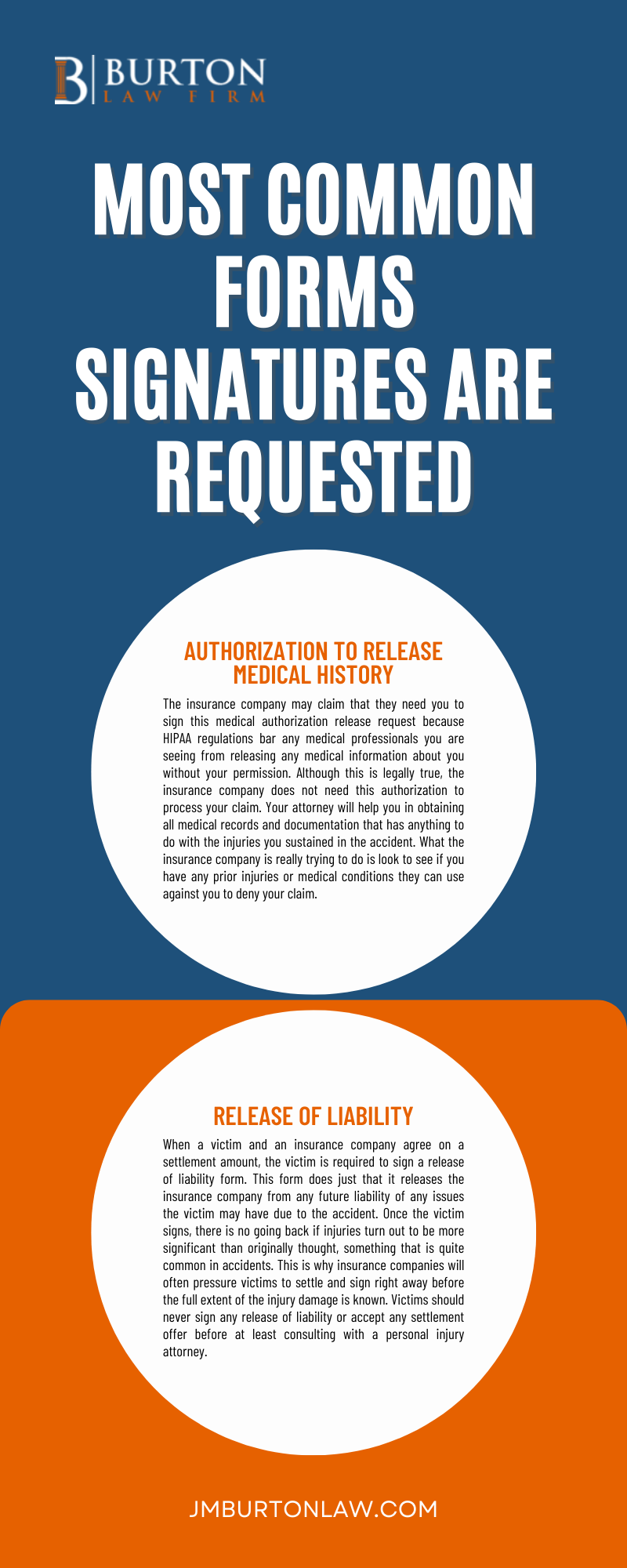
Victims need to understand that under no circumstances should they ever sign any document without first consulting with our personal injury attorney. Some of the most common forms signatures are requested on include the following:
- Authorization to release medical history: The insurance company may claim that they need you to sign this medical authorization release request because HIPAA regulations bar any medical professionals you are seeing from releasing any medical information about you without your permission. Although this is legally true, the insurance company does not need this authorization to process your claim. Our attorney will help you in obtaining all medical records and documentation that has anything to do with the injuries you sustained in the accident. What the insurance company is really trying to do is look to see if you have any prior injuries or medical conditions they can use against you to deny your claim.
- Release of liability: When a victim and an insurance company agree on a settlement amount, the victim is required to sign a release of liability form. This form releases the insurance company from any future liability of any issues the victim may have due to the accident. Once the victim signs, there is no going back if injuries turn out to be more significant than originally thought, something that is quite common in accidents. This is why insurance companies will often pressure victims to settle and sign right away before the full extent of the injury damage is known. Victims should never sign any release of liability or accept any settlement offer before at least consulting with our personal injury attorney.
Raleigh Personal Injury Law Infographic
Dos And Don’ts Of Handling A Personal Injury Case
Do Speak With Your Lawyer Before Doing Anything
Before you take any action with your case, you should consult the Burton Law Firm. We can guide you on what information to share, what to withhold, and your potential next steps.
Don’t Share Details Of Your Case Online
You never know where the information you share will end up, especially if you’re sharing it online. It’s best to avoid disclosing any details of your case online; avoid social media altogether.
Do Attend All Your Medical Appointments
Attending your scheduled medical visits can help speed up your recovery, and it shows initiative on your part. Be sure to go to all your appointments and try to reschedule if you’re unable to attend for any reason.
Don’t Skip Any Medications
In addition to attending your visits, it’s important to take all medications prescribed by your doctor. Skipping your prescriptions can slow down your healing process, while failure to follow your doctor’s instructions can inhibit your case.
Do Keep Records Of Everything
When you’re dealing with an injury, you should keep records of any documents pertaining to the case — medical documents, photographs of the incident, documents from our lawyer, and any of your own paperwork should be saved and copied.
Don’t Tamper With Documents
Tampering with documents makes them unusable in court, and in certain cases, may get you in serious trouble. Whether you’re handling documents from our office or your medical team, don’t mark on or make any changes to them.
Do Take Plenty Of Time To Recover
All too often, people don’t take the time they need to heal after an injury. If possible, try not to return to work until you’ve fully recovered. Returning too early may inhibit your recovery or exasperate your injury. If you’re struggling without a regular paycheck, contact our Raleigh personal injury lawyer to discuss your options.
Don’t Contact Associated Parties
Unless you’re doing so under the guidance of our legal team, it’s wise to avoid contacting witnesses or associated parties involved in the incident. Unless you have a background in law, you may end up breaching certain restrictions or otherwise sharing information that could harm your case. When in doubt, ask our lawyer what to do.

Economic vs. Non-Economic Damages
Personal injury clients file lawsuits to secure damages or financial compensation connected to an injury. These damages fall into one of two broad categories: economic damages, which are easily quantified and assigned a dollar value, and non-economic damages, referring to things that are intangible and cannot be measured in monetary terms.
Economic Damages
Damages in this category include:
- medical expenses (past and future)
- costs of ongoing rehabilitation, therapy, and medications
- loss of wages
- loss of earning capacity
- home care services
Most of these can be documented with bills, pay stubs, and tax records. When it comes to future medical expenses and rehabilitation costs, it may be necessary for our personal injury attorney to call upon an expert witness (such as a medical doctor or physical therapist) who can testify to the extent of your injuries as well as the long-term costs of treatment, therapy and any equipment that may be required.
Proving loss of earning capacity can also require expert testimony. This person will provide the court with relevant information about you, such as age, job skills and abilities, past salary, and whether retraining is an option.
Compensation for home services may be awarded if the court determines these services necessary to perform tasks that you would have been able to carry out before the injury, such as a driver or cook.
Non-Economic Damages
Determining non-economic damages is more difficult. The purpose is to offer the plaintiff compensation for the accident’s impact on his or her everyday life. Non-economic damages include:
- pain and suffering
- emotional/psychological anguish
- humiliation
- loss of reputation
- loss of consortium (intimate relations and companionship)
In 2011, the North Carolina legislature placed a $500,000 cap on non-economic damages stemming from medical malpractice, which was recently adjusted for inflation to $562,338. The exception to this cap is if you were permanently maimed, disfigured or killed by the improper procedure, and their is evidence that the healthcare worker acted with reckless disregard of your rights, was grossly negligent, fraudulent, intentional, or acted with malice.
Punitive Damages
Punitive damages are exactly what they sound like: a form of punishment against the defendant. These are not imposed in every injury lawsuit, and only for cases in which the negligence was wanton and egregious. Under North Carolina’s General Statutes, this means that the defendant showed “conscious and intentional disregard of and indifference to the rights and safety of others,” or acted fraudulently or with malice. Our personal injury lawyers can help determine if this was the case.
Contact Our Raleigh Injury Law Firm
Personal injury cases are frequent in the United States, which is often why people search for a personal injury attorney. These cases can have several different damages and are caused by another person’s or an organization’s negligence.
If you are the victim of a personal injury, then you may have questions about what to look for in a lawyer. You want someone who is going to handle your case and give you the most favorable outcome. If you’ve never had to look for a lawyer, it can be daunting, but we’ve put together a list of what you should look for before hiring one.
Traits Of A Quality Personal Injury Attorney
Although each personal injury case is unique to you and your needs, all lawyers who work in this area of the law share certain qualities. If you are looking for a lawyer, then here are some qualities that will help you find the right lawyer for your case.
Knowledge Of The Law
Personal injury lawyers are highly knowledgeable about the law. Typically, they are going to specialize in a specific type of accident or injury. This means that you need to find a lawyer that understands the laws that are specific to your case. For instance, you wouldn’t want someone who works only with car accidents to handle your medical malpractice case.
Experience
Just as attorneys should know the law, they should also have trial experience. While not every case goes to court, you need someone who has the experience needed to handle your case if a trial becomes necessary.
Many lawyers who don’t have trial experience will try to reach a quick settlement. Insurance companies can often distinguish between both types of lawyers, which means if they know your attorney doesn’t have trial experience, they will likely lowball your claim. Always ask your lawyer about their track record before you hire them. It can help you determine who is most experienced and best suited to your case.
Proven Track Record
You must determine your attorney’s track record of success in helping their clients get their full compensation. An experienced lawyer should be able to deliver a settlement or a full and fair trial verdict. A higher case success rate is better for you.
Positive Testimonials
Getting good results takes more than knowledge and experience. Truly qualified lawyers get to know their clients and treat them well. By understanding our clients, we can paint a fuller picture of how their accident injuries have impacted their lives. Attorneys who make a positive difference in the lives of their clients will have the reviews and testimonials to show for it.
Finding a good lawyer can feel like a daunting and impossible task. If you use our tips above, then you should be able to find the right lawyer for you. If you have more questions about what a personal injury attorney can do for you, don’t hesitate to reach out to us at the Burton Law Firm for more information.
Personal Injury FAQs
A personal injury lawsuit can arise after someone sustains harm from another person’s or company’s wrongdoing. This can involve motor vehicle accidents, accidents in the workplace, or injuries caused by defective products. Our Raleigh personal injury attorney can help you decide whether you have enough evidence to pursue a personal injury case. Here are some of the most frequently asked questions we get from our clients:
Could I Still Be Hurt If I Do Not Feel Pain?
You can feel pain from an injury either right away, or the pain can take some time to develop. Sometimes, the adrenaline you experience during a serious accident can disguise pain temporarily. It is important to consult a doctor as soon as possible after you think you may have been injured, both for your own health and safety and to establish a paper trail in case you end up filing a personal injury lawsuit.
What Can I Pursue in a Personal Injury Lawsuit?
The two main types of damages that you can pursue in a personal injury case are economic damages and non-economic damages. These can be generally broken down as follows:
- Economic damages: Tangible costs such as lost income, medical bills, damage to property, and costs of potential long-term treatments.
- Non-economic damages: More subjective costs that may include pain and suffering and loss of joy in life.
If you are unsure which types of damages you may be able to receive, our North Carolina personal injury law firm will be able to advise you.
How Long After the Accident Can I File a Case?
The amount of time you have to file a case after an injury, also called the statute of limitations, varies by state and may range from less than one year up to four years. A local lawyer will know what the law in your state says and can advise you on what to do. However, it is wise to file the claim sooner rather than later, while the event is still at the forefront of your memory and your injuries are still recent. Our Raleigh personal injury lawyer can help you file a claim in a reasonable timeframe.
What Should I Ask Before Hiring A Injury Lawyer?
You must make many important decisions when you pursue a personal injury claim. How do you know if you are retaining the right personal injury attorney? If you have been injured due to someone else’s omission or negligence, consider these three questions as you consult a personal injury attorney.
How Do I Know If A Personal Injury Attorney Is Right For Me?
An insurance company has extensive financial resources. The lawyers they hire are skilled at defending personal injury claims. You want to hire a personal injury attorney with experience and knowledge who can help you stand up to the experienced attorneys on the other side of the case.
Injury victims usually do not know everything about their case and how the law applies to the facts of the case. Some personal injury lawyers work at high volume and will settle your case for less than its potential value. Hiring our attorney who invests in you and cares about your story will help you recover the financial compensation you deserve.
Does The Lawyer Have The Resources Necessary To Handle My Case?
If you have a case involving catastrophic injury and several different parties, then it will be expensive to go to court. Medical malpractice cases can feature multiple medical specialties and dozens of expert witnesses. Serious personal injury cases may involve accident reconstruction experts and safety experts who must testify and submit to cross-examination. You do not want to retain a personal injury attorney who does not have the financial resources to handle your case.
An attorney representing you needs to be able to conduct depositions, subpoena important documents, request medical records, and gather evidence. If you retain an attorney without adequate resources, it is probable that your case will settle for less money than you could have recovered if you had retained our experienced personal injury attorney.
What Types Of Cases Does This Personal Injury Attorney Handle?
You want to hire an attorney who handles personal injury cases on a daily basis. Personal injury cases can be specialized, and you want an attorney who understands the demands of a personal injury case. Personal injury attorneys stay focused on changes in the law that affect personal injury cases and medical malpractice cases. If you hire our experienced personal injury lawyer, you will be more likely to recover the financial compensation you deserve.
Conducting trials and working on personal injury cases builds confidence over time. You want to hire an attorney who can help you achieve your goals.
Why Do I Need A Personal Injury Lawyer?
No one is immune to accidents. At some point in our lives, we will all suffer some form of injury, whether it’s a minor cut or a more serious life-threatening injury. And when these accidents happen, we often don’t know where to turn or what to do next. That’s where our Raleigh personal injury lawyers come in.
If you or a loved one has suffered an injury due to someone else’s negligence, you know how expensive and emotionally draining it can be to seek compensation. Our injury lawyer can help shoulder the burden by fighting for your rights and making sure that you receive the maximum possible compensation.
Many times, these cases involve accidents, but they can also include medical malpractice, defective products, and other injuries. If you have been hurt because of someone else’s careless or intentional actions, you may need to speak with our personal injury attorney to discuss your case and find out what legal options are available to you. Don’t wait too long after your accident to seek help.
Leveraging North Carolina’s Personal Injury Laws
Our attorney knows that suffering a personal injury can be a physically and emotionally taxing experience, especially when it’s the result of someone else’s negligence. Understanding the specific laws related to personal injury claims in North Carolina is essential for those seeking justice and compensation. The following are some legal aspects you should be aware of when pursuing a personal injury claim in the Tar Heel State.
Statute Of Limitations
One of the fundamental aspects of personal injury law in North Carolina is the statute of limitations. You must file a lawsuit after suffering a personal injury during this timeframe. In North Carolina, you generally have three years from the date of the injury to file a personal injury lawsuit. You must meet this deadline to avoid losing your right to seek compensation, so it’s vital to consult with our lawyer and initiate legal action promptly.
Contributory Negligence Rule
North Carolina is one of the few states that follow the contributory negligence rule in personal injury cases. Under this strict rule, if you are found to be even slightly at fault for the accident that caused your injury, you may be completely barred from recovering any compensation from the other at-fault party. This makes it essential to work with our skilled attorney who can help you build a strong case and minimize any potential arguments of contributory negligence.
Car Accident Laws
Car accidents are a common source of personal injury claims in North Carolina. In the state, you must carry liability insurance coverage with minimum limits of $30,000 for bodily injury per person, $60,000 for bodily injury per accident, and $25,000 for property damage. North Carolina also follows a “fault” system for car accidents, which means that the at-fault driver and their insurance company are responsible for covering the damages.
Premises Liability Laws
Premises liability laws in North Carolina hold property owners responsible for maintaining a safe environment for visitors. If you are injured due to a hazardous condition on someone else’s property, such as a slip and fall accident in a store or a dog bite at a friend’s house, you may have a valid personal injury claim against the property owner. Property owners have a duty to exercise reasonable care in keeping their premises safe for visitors.
Dog Bite Liability
In North Carolina, dog owners can be held liable for injuries caused by their dogs, even if the dog has no prior history of aggression or biting. However, the dog bite victim must prove that they were lawfully on the owner’s property or in a public place when the attack occurred. Understanding the specifics of dog bite liability laws is important if a dog has injured you.
Medical Malpractice Laws
Medical malpractice cases in North Carolina have specific legal requirements and limitations. A medical malpractice claim must be filed within three years of the alleged malpractice or one year from the date of the injury’s discovery, whichever is later. The state also imposes a cap on non-economic damages in medical malpractice cases, limiting the amount you can recover from pain and suffering.
Seeking Legal Representation
At the Burton Law Firm, our team of dedicated personal injury attorneys is well-versed in North Carolina’s personal injury laws. We are committed to advocating for the rights of injury victims and making sure you receive the compensation you deserve. If you have suffered a personal injury due to someone else’s negligence, please do not hesitate to contact us for a free consultation. We are here to provide you with the support and legal guidance you need during this challenging time. Call our office today to speak with our skilled NC personal injury lawyer.
Raleigh Personal Injury Lawyer Statistics
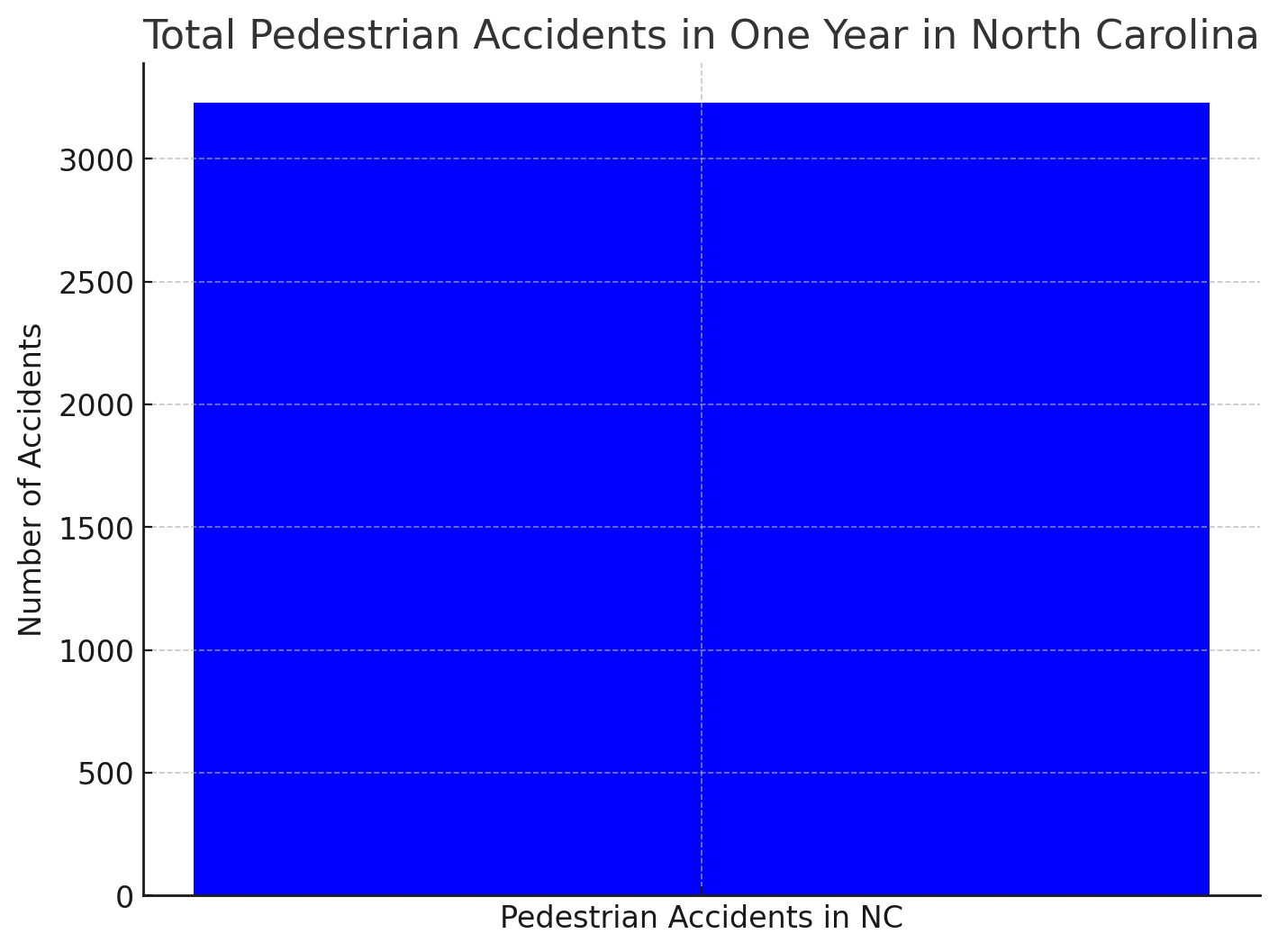
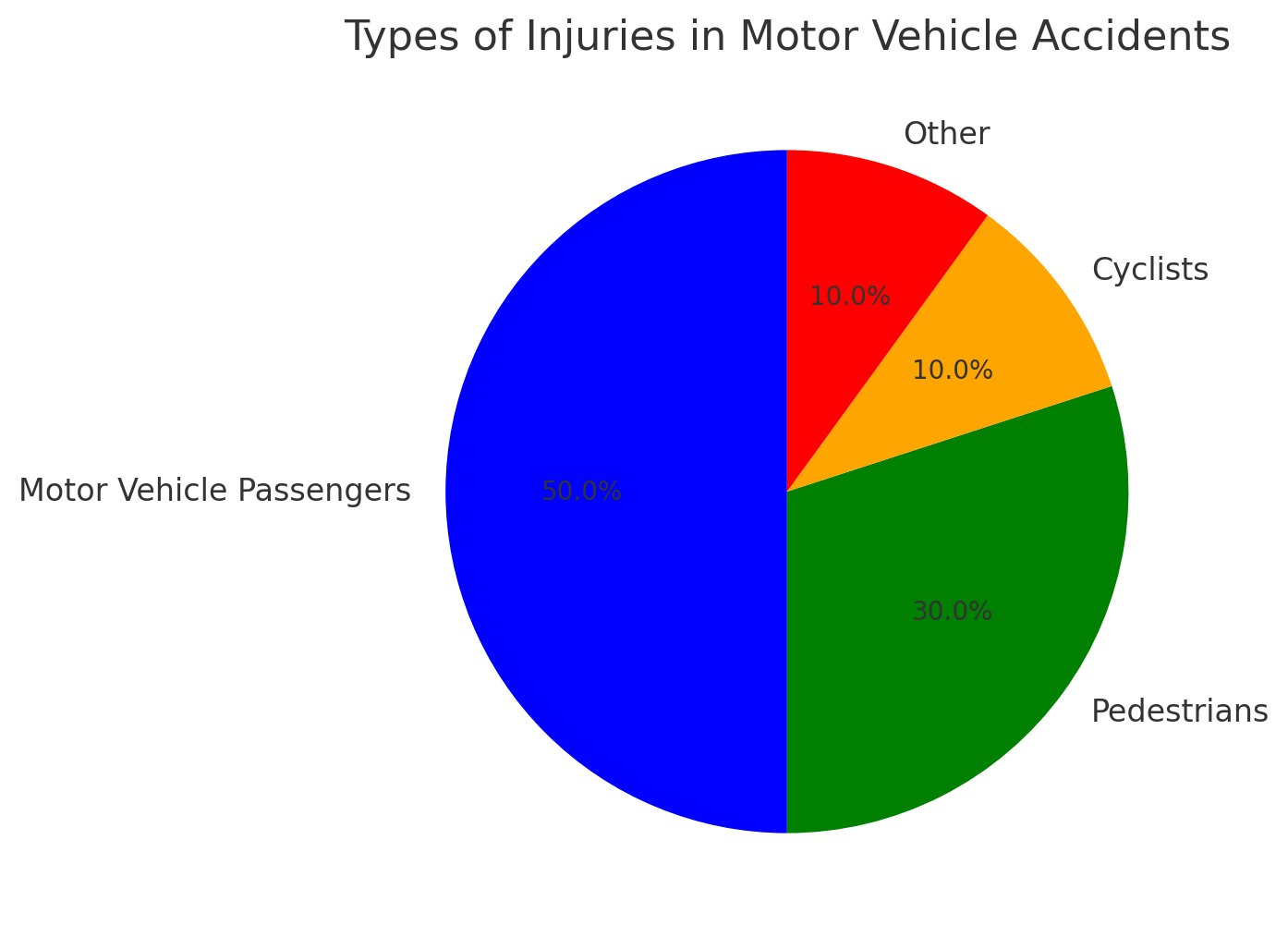
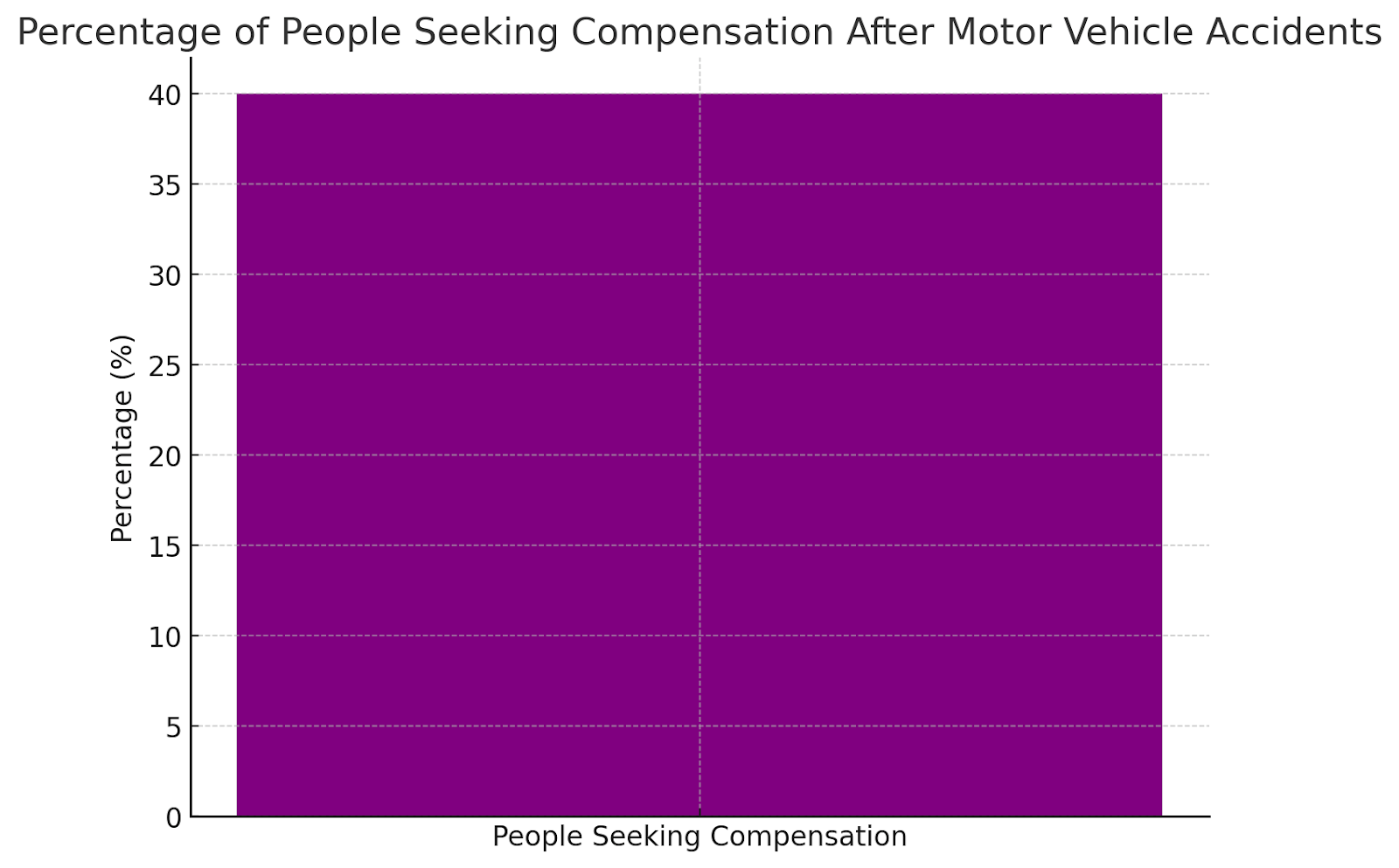
It is estimated that millions of people are injured each year in motor vehicle accidents. You don’t have to be a passenger; pedestrians and cyclists can also be injured in car accidents. In fact, according to the North Carolina Office of State Human Resources, in one year alone there were a total of 3,228 statewide pedestrian accidents. If you’ve been hurt in an accident our personal injury lawyers can help you get compensated for your medical bills, lost wages, and pain and suffering. Personal injury lawyers may also offer legal advice and represent their clients in court.

Raleigh Personal Injury Glossary
Understanding legal terminology can help you stay informed and make better decisions about your case. We believe that knowledge is essential to guiding you through your legal journey. Below are key terms often encountered in personal injury cases.
Medical Authorization Form
A medical authorization form is a document that grants an insurance company or another third party access to an individual’s medical records. In personal injury cases, insurance companies frequently request this form to review a claimant’s medical history. While they claim it’s needed to process claims, these requests often aim to find prior medical conditions to dispute the extent of the injury. Signing without legal guidance can compromise your case. We advise clients to allow us to manage medical record submissions to prevent unnecessary exposure of unrelated medical information.
Release Of Liability Form
The release of liability form is typically signed after agreeing to a settlement with an insurance company. By signing this document, the injured party waives the right to pursue further claims related to the incident, even if new complications arise later. It’s a final step that permanently closes the claim. Insurance companies may pressure individuals to sign quickly, but it’s important to understand the long-term implications. We help clients assess settlement offers to make sure they cover all current and potential future expenses related to their injuries.
Expert Witness
An expert witness is a professional whose specialized knowledge provides valuable testimony in legal proceedings. In personal injury cases, expert witnesses can include medical professionals, accident reconstruction specialists, or vocational experts. Their testimony often clarifies complicated issues like injury severity, necessary medical treatments, and the impact on earning capacity. We work with a network of reputable experts to strengthen our clients’ cases and provide reliable, fact-based evidence in court.
Premises Condition Assessment
Premises condition assessment refers to the evaluation of a property’s safety and maintenance at the time of an accident. This process involves examining whether hazardous conditions existed and if reasonable measures were taken to address them. Such assessments are common in cases involving slips, trips, or falls in commercial or residential properties. Our team carefully reviews inspection reports, maintenance logs, and photographs to build a comprehensive understanding of the circumstances surrounding the incident.
Medical Record Review
A medical record review is a thorough examination of an injured person’s healthcare documentation to evaluate the nature and extent of injuries. This process helps establish a timeline of treatment, identify future care needs, and support claims for compensation. Medical record reviews often require collaboration with treating physicians and other healthcare providers. We assist clients in gathering and analyzing these records to verify their claims accurately reflect their medical needs and expenses.
If you’ve been injured and need legal guidance, contact our personal injury law firm today. Let us help you understand your options and work towards securing the compensation you deserve.
Burton Law Firm Raleigh Personal Injury Lawyer
219 N. Boylan Ave. Raleigh, NC 27603
Turn To Our Legal Team After an Accident
After being injured in an accident, you may feel overwhelmed and unsure of where to turn. You need an attorney who will fight for your rights and get you the compensation you deserve. If you’ve been injured, you need someone who understands what you’re going through and knows how to get the best results for you. That’s where we come in. We have years of experience helping people just like you get the compensation they deserve.
We know how to fight for our clients and get them the money they need to pay their bills and move on with their lives. We’ll take care of all the legal paperwork so you can focus on getting better. And we won’t stop until we’ve got a fair settlement for you.
Contact our Raleigh personal injury lawyer from the Burton Law Firm today for a free consultation! We have recovered millions of dollars in settlements for clients. Let us help protect your rights and secure your future.
Client Review
"Jason is the best lawyer anyone could ever use in this area. From the moment that I first contacted him concerning an auto accident I was involved in, he erased all worry that I had. I was not a major client, but every time we talked, he made me feel as if I was the most important client he had. He made it simple, easy and always explained the steps completely and in terms I could understand. If you ever need a lawyer, please, please contact Jason. You will never regret using him"
Earl Caudill