
Traumatic Brain Injuries from Accidents
Traumatic brain injuries are among the most devastating consequences of accidents. Unlike a broken bone that heals on a predictable timeline, a brain injury can permanently alter how you think, remember, communicate, and interact with the people around you. According to the Centers for Disease Control and Prevention, there were over 69,000 TBI-related deaths in the United States in 2021 alone, roughly 190 every day. Many thousands more survive with permanent cognitive and behavioral changes.
At Burton Law Firm, we understand the profound impact a brain injury has on victims and their families. We pursue aggressive compensation to cover the extensive medical care, rehabilitation, and lifetime support these injuries require.
How Brain Injuries Happen in Accidents
A traumatic brain injury occurs when an external force damages the brain. In car accidents, this often happens when your head strikes the steering wheel, window, or headrest. In motorcycle accidents, riders are particularly vulnerable because they lack the protective enclosure of a vehicle. Pedestrian accidents frequently cause brain injuries when the victim’s head strikes the ground or the vehicle.
Critically, you don’t have to hit your head to sustain a brain injury. The violent shaking that occurs in a high-speed collision can cause the brain to move within the skull, damaging tissue even without direct impact. This is why brain injuries are sometimes missed in the initial aftermath of an accident, especially when more visible injuries like broken bones or lacerations command immediate attention.
Concussions and Mild Brain Injuries
A concussion is the mildest form of traumatic brain injury, but “mild” is a medical classification, not a description of how it feels. Concussion symptoms include persistent headaches, dizziness, confusion, difficulty concentrating, memory problems, sensitivity to light and sound, nausea, and mood changes. These symptoms can disrupt your ability to work, drive, and handle daily responsibilities for weeks or months.
Most concussions resolve with rest and careful symptom management. However, some victims develop post-concussion syndrome, a condition where symptoms persist long after the initial injury. Repeated concussions carry even greater risk, as emerging research links them to long-term cognitive decline and neurological disorders.
If you hit your head in an accident or experienced any period of confusion, disorientation, or loss of consciousness, seek medical evaluation immediately. Some concussion symptoms don’t appear for hours or days, and early diagnosis is essential for both your health and your legal claim.
Moderate and Severe Brain Injuries
Moderate and severe brain injuries cause more extensive damage and often result in lasting disability. Victims may lose consciousness for minutes or hours. They may experience persistent vomiting, seizures, clear fluid draining from the nose or ears, and weakness or numbness in the extremities.
The cognitive effects of moderate and severe brain injuries can be devastating. Victims may struggle with memory loss, impaired judgment, difficulty planning and organizing, and problems processing language. Some develop executive function deficits that make it impossible to return to their former careers, even if they can perform basic daily tasks.
Personality and behavioral changes frequently accompany brain injuries. Family members often describe the victim as a “different person” after the injury. Increased irritability, emotional outbursts, depression, social withdrawal, and inappropriate behavior are common. These changes place enormous strain on marriages, parent-child relationships, and friendships.
The Long Road of Rehabilitation
Recovery from moderate and severe brain injuries is often lengthy and incomplete. Rehabilitation typically involves multiple specialists: neurologists, physical therapists, occupational therapists, speech-language pathologists, and neuropsychologists. Treatment may begin in the hospital and continue in outpatient settings for months or years.
Some brain injury survivors achieve remarkable improvement through intensive rehabilitation. Others reach a plateau beyond which further progress becomes unlikely, leaving them with permanent limitations. The uncertainty of recovery makes these cases particularly challenging for families who are simultaneously grieving the person their loved one was while caring for the person they’ve become.
The financial cost of brain injury care is staggering. Acute hospitalization alone can cost hundreds of thousands of dollars. Ongoing rehabilitation, medications, therapy, and medical monitoring add substantial annual expenses. Severe injuries requiring 24-hour care or assisted living placement can generate lifetime costs exceeding several million dollars.
Proving a Brain Injury Claim
Brain injuries present unique challenges in personal injury cases because the damage is often invisible. Unlike a broken bone that shows up clearly on an X-ray, some brain injuries produce no abnormalities on standard imaging studies. Insurance companies use this absence of visible damage to argue the injury isn’t real or isn’t as severe as claimed.
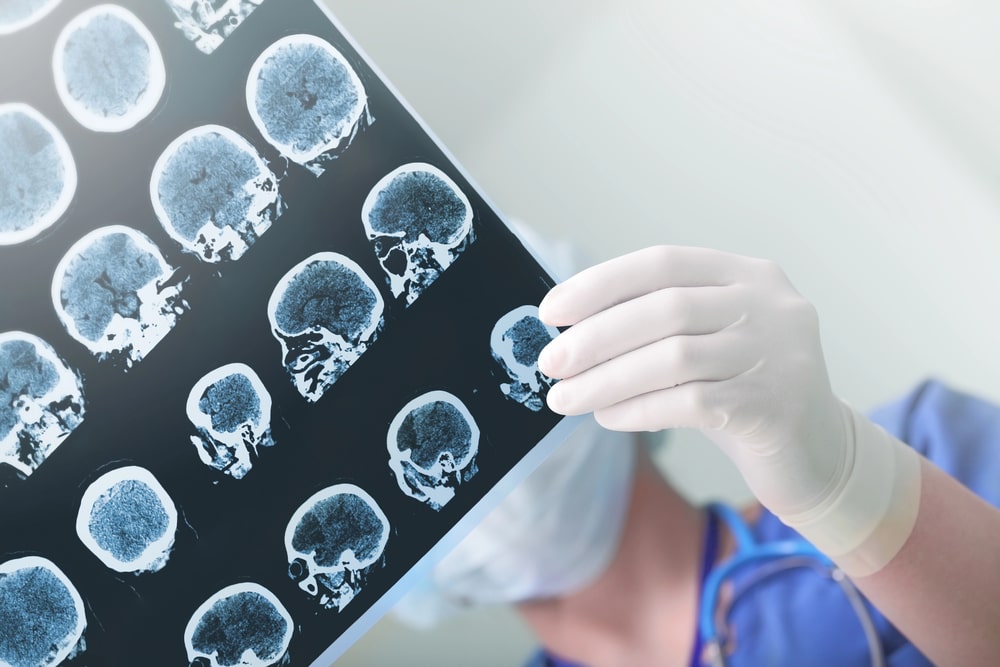
Proving a brain injury claim requires a comprehensive approach. Neurological examinations and neuroimaging (CT scans, MRIs, and sometimes more specialized imaging) document structural damage when it exists. Neuropsychological testing measures cognitive function across multiple domains, identifying deficits in memory, attention, processing speed, and executive function. Comparing pre-injury and post-injury functioning demonstrates the impact of the injury.
Medical testimony from treating neurologists and neuropsychologists carries significant weight. Equally powerful is testimony from family members who can describe the cognitive and personality changes they’ve witnessed. A spouse who explains that their partner can no longer remember conversations, manage finances, or control their temper provides compelling, humanizing evidence that resonates with juries.
Valuing Brain Injury Claims
Brain injury claims warrant substantial compensation because of their severity and the lifetime impact on the victim’s functioning. Damages in brain injury cases include all past and future medical expenses, lost earning capacity over a working lifetime, pain and suffering, and loss of enjoyment of life.
Even mild brain injuries with persistent post-concussion symptoms can generate significant claims when they prevent you from working or performing daily activities. Moderate and severe brain injuries causing permanent cognitive disability warrant the highest compensation, often reaching well into seven figures when lifetime care costs and lost earning capacity are properly calculated.
Talk to a North Carolina Personal Injury Attorney
If you or a loved one sustained a brain injury in an accident caused by someone else’s negligence, time is critical. Contact a Cary personal injury lawyer at Burton Law Firm for a free consultation.
We represent brain injury victims across Raleigh, Durham, Chapel Hill, and throughout North Carolina. Our brain injury attorneys understand the medical complexities of these cases and the lifetime costs involved.
We handle all cases on a contingency fee basis. You pay nothing unless we recover compensation for you.
Contact us today to discuss your brain injury claim.