
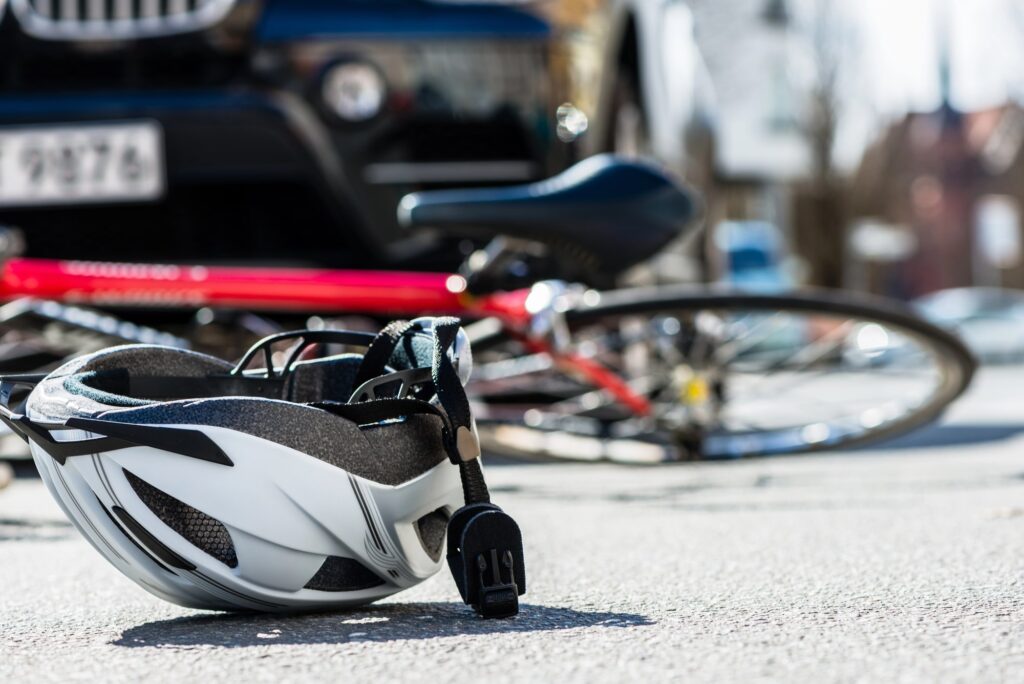
Drivers swear they didn’t see the cyclist. Cyclists sometimes blow through stop signs. And North Carolina’s contributory negligence rule means even a tiny mistake on your part can destroy your entire claim. If you’ve been injured, understanding how fault works in these cases can make the difference between getting compensated and walking away with nothing.
Common Scenarios And Fault Issues
Left-Turn Collisions
A driver turns left into a cyclist who’s going straight through the intersection. Fault usually lands on the driver because they’re supposed to yield to oncoming traffic, and yes, that includes bicycles. But insurance companies won’t make this easy. They’ll argue the cyclist was speeding or came out of nowhere. They’ll say visibility was poor. They’ll find something.
Right Hook Accidents
This is when a car passes a bicycle and then immediately turns right, cutting off the cyclist. It’s one of the most dangerous intersection accidents because there’s almost no time to react. The driver who failed to check their blind spot before turning is typically at fault, but proving that requires solid evidence.
Running Red Lights Or Stop Signs
If you blow through a red light or stop sign and get hit, you’re probably going to be found at fault. North Carolina follows contributory negligence. Even 1% responsibility means you can’t recover damages. It’s harsh. It’s also the law here.
What North Carolina Law Says
Bicycles have the same rights and duties as vehicles on our roads. Cyclists must follow traffic signals, yield when required, and ride predictably. Drivers must treat bicycles like any other vehicle and give them proper space and right of way. Many drivers don’t actually know this. They think bicycles don’t belong on the road or that different rules apply. A Raleigh Bicycle Accident Lawyer sees these misconceptions constantly in accident claims, and they create real problems for injured cyclists trying to recover compensation.
Evidence That Determines Fault
After an intersection bicycle accident, several types of evidence shape how fault is assigned:
- Police reports and officer statements about traffic violations
- Witness accounts from people who saw what happened
- Traffic camera or dashcam footage showing the collision
- Physical damage to the bicycle and vehicle
- Skid marks, debris patterns, and final positions
- Cell phone records if distracted driving is suspected
You need to get this evidence quickly. Traffic camera footage gets deleted. Witnesses forget details or become impossible to find. Physical evidence at the scene disappears after a few days.
Insurance Company Tactics
Insurance adjusters will look for any reason to deny or minimize your claim. They’ll argue you weren’t wearing a helmet, even though that’s not required by law for adults and doesn’t cause accidents. They’ll say you should’ve been on the sidewalk, which is actually illegal in many North Carolina cities. Dark clothing becomes an issue. Lack of lights gets mentioned. North Carolina does require bicycles to have lights when riding at night, so this can become a genuine fault issue in evening or early morning accidents. The insurance company will use it against you if they can.
When Both Parties Share Fault
Sometimes both the driver and the cyclist made mistakes. Maybe the driver rolled through a stop sign, but the cyclist was also riding against traffic. Under contributory negligence, if you contributed to the accident in any way, you can’t recover compensation. That’s why these cases require careful legal analysis. Burton Law Firm handles bicycle accident cases where fault is disputed and knows how to build strong evidence showing the driver’s negligence caused the collision.
Medical Documentation And Damages
Even when the fault seems clear, you’ll need solid medical documentation to recover full compensation. Get checked out immediately after the accident. Even if you feel okay. Adrenaline masks injuries, and some symptoms don’t appear for days. Your medical records need to clearly link your injuries to the accident because insurance companies will dig through your medical history looking for pre-existing conditions they can blame instead.
Taking Action After An Intersection Accident
Don’t give a recorded statement to the other driver’s insurance company if you’ve been hit at an intersection. Don’t sign anything. Don’t agree to a quick settlement. These early offers rarely cover your actual damages, and once you accept, you can’t go back for more money later.
A Raleigh Bicycle Accident Lawyer can evaluate your case, gather the evidence needed to prove fault, and handle negotiations with insurance companies who’ll try to deny your claim based on contributory negligence. You don’t have to fight this battle alone, contact us today.