
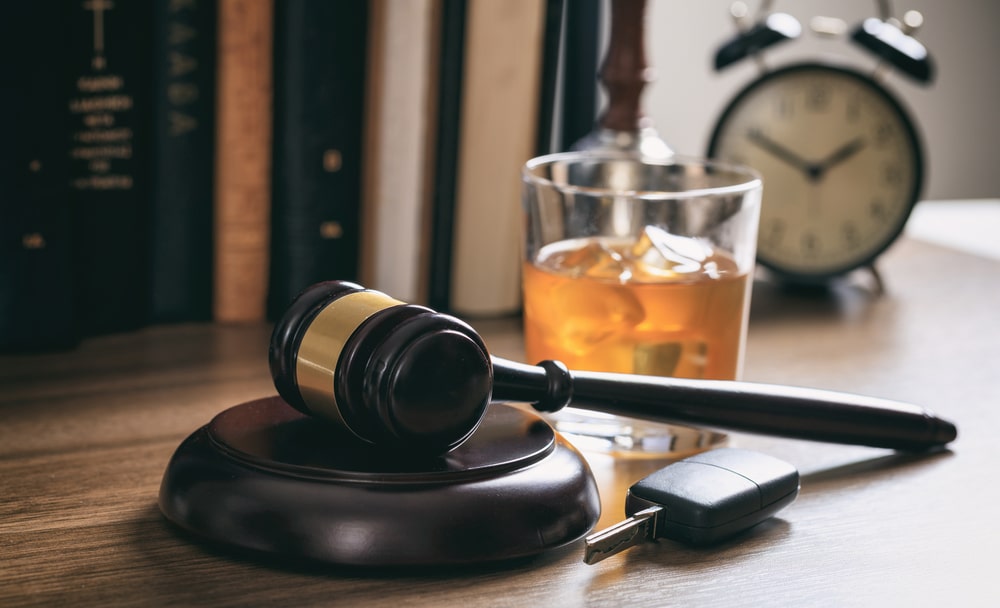
Drunk driving remains one of the most preventable causes of serious injuries and fatalities on the road. People often focus on the driver’s responsibility—and rightfully so—but fewer people realize that in certain situations, the bar, restaurant, or establishment that served the alcohol may also share liability. This concept is known as dram shop liability, and while the details vary depending on the state, the underlying purpose is consistent: to promote responsible alcohol service and prevent avoidable tragedies.
Dram shop liability doesn’t shift blame away from the driver. Instead, it recognizes that multiple factors sometimes contribute to alcohol-related harm, and accountability may extend beyond the person behind the wheel. Below, our friends at Ganderton Law, LLC explain when a business may be held responsible. Understanding this can help both patrons and establishments act safely and responsibly.
What Is Dram Shop Liability?
Dram shop laws create a legal avenue for holding alcohol-serving establishments liable when they serve someone who is:
- Visibly intoxicated, or
- Under the legal drinking age
AND that person later causes harm—such as an alcohol-related crash, assault, or other injury.
The term “dram shop” dates back to the 1700s when alcohol was sold by the “dram,” a small unit of liquid. While the name is historic, the principle is relevant today: establishments that profit from serving alcohol also share a responsibility to do so safely.
Why These Laws Exist
The purpose of dram shop laws is not to punish businesses for serving alcohol but to ensure alcohol is served responsibly. Servers and bartenders are often trained to observe warning signs of intoxication. When these safeguards are ignored, the risk to the public increases dramatically.
Key reasons dram shop laws exist include:
- Encouraging safe alcohol service
- Holding negligent establishments accountable
- Providing additional avenues of compensation for victims
- Deterring over-service and underage drinking
Alcohol-related crashes and incidents often involve predictable patterns—stumbling, slurred speech, erratic behavior, fast consumption, or orders being placed despite obvious intoxication. Dram shop laws reinforce the expectation that these signs should be taken seriously.
Examples Of When A Bar Or Restaurant May Be Liable
Although every case is unique, an establishment may bear responsibility when it:
- Continues to serve someone who is slurring, stumbling, or unable to focus
- Serves alcohol to a minor, even unintentionally
- Ignores clear signs that a patron should be cut off
- Runs dangerous drink specials that encourage excessive consumption
- Allows a patron to continue drinking after showing signs of medical distress
- Fails to intervene when a visibly intoxicated person attempts to drive
Even when a driver is 100% responsible for choosing to drive impaired, the establishment’s actions—especially over-service—may contribute to the harm.
The Impact Of Over-Service
Excessive alcohol consumption can impair:
- Judgment
- Reaction time
- Coordination
- Decision-making
- Depth perception
These impairments dramatically increase the likelihood of a crash or violent incident. When an establishment continues serving drinks despite clear red flags, it’s not simply a lapse in customer service—it can endanger the community.
How Dram Shop Liability Helps Victims
In many alcohol-related crashes, the driver does not have enough insurance coverage to fully compensate those injured. Dram shop liability may offer an additional source of recovery for:
- Medical bills
- Lost wages
- Long-term care
- Emotional distress
- Property damage
Because alcohol-related injuries are often severe, these added protections can be life-changing for victims and their families.
Promoting Safer Communities
Car accident lawyers know that dram shop laws are ultimately about prevention. When establishments understand their legal responsibilities—and the consequences of ignoring them—they are more likely to:
- Train staff effectively
- Enforce drink limits
- Check IDs carefully
- Refuse service when necessary
By working together—drivers, businesses, and communities—alcohol-related crashes and injuries can be significantly reduced.