
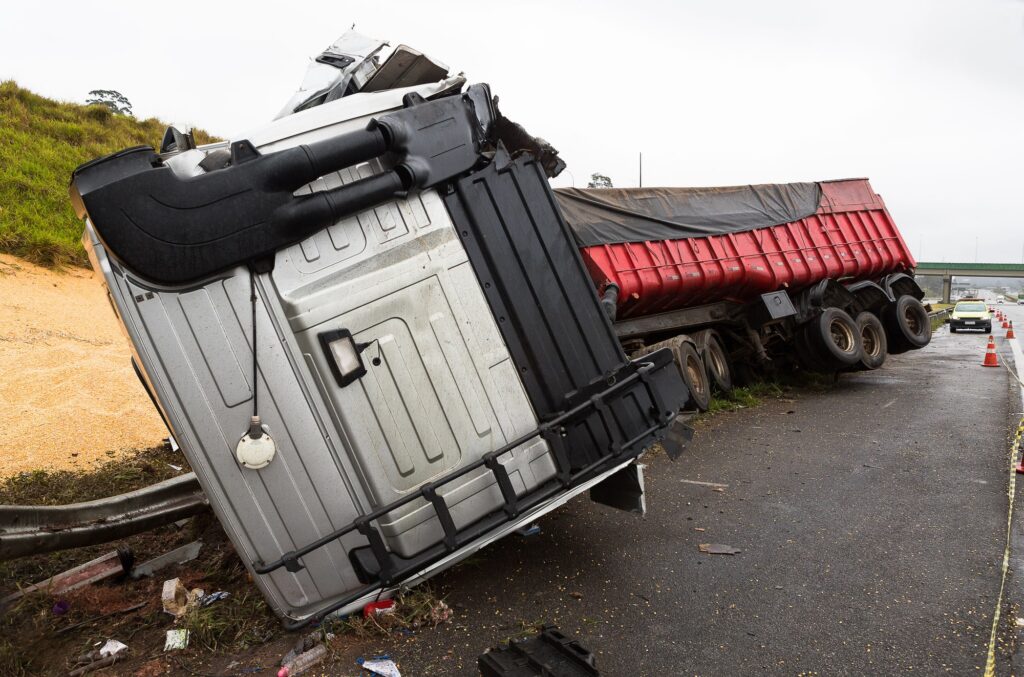
Truck accidents don’t always involve two visible vehicles at the scene. Sometimes, the cause is a third party who disappears before anyone can identify them. As a truck accident lawyer can share, cases involving a phantom vehicle bring added legal challenges, especially when no contact was made.
What Counts As A Phantom Vehicle
A phantom vehicle is one that causes or contributes to a crash but doesn’t remain at the scene. In truck accidents, this might involve a vehicle that cuts off a commercial truck, forcing it to swerve, jackknife, or collide with another car. Because the vehicle leaves, often unnoticed or unreported, it creates an accountability gap.
In many of these cases, there’s no contact between the phantom vehicle and anyone else. That lack of physical evidence makes it harder to establish fault. The truck’s reaction might be entirely reasonable, but the legal burden falls on the injured party to show that another driver set the events in motion. This is different from a hit-and-run where the other vehicle directly strikes your car. A phantom vehicle does not make direct contact but affects your actions on the road.
Why Evidence Becomes Harder To Preserve
Unlike accidents with clear impact and exchange of information, phantom vehicle incidents rely on circumstantial evidence. Trucking companies may argue that their driver was responding to road hazards, not another car. Without witness statements, dash cam footage, or traffic camera coverage, the claim becomes more difficult.
According to our friends at Palmintier Law Group, early investigation is key. Skid marks, onboard vehicle data, and eyewitnesses often fade quickly. When the phantom driver cannot be located, victims often turn to uninsured motorist coverage or attempt to hold other parties responsible through indirect liability.
How Liability May Still Be Proven
Even without direct contact, fault can be assigned. For example:
- A witness may confirm that a third vehicle cut off the truck.
- The truck’s event data recorder may show sudden deceleration.
- Video footage might capture a vehicle leaving the scene.
- Road layout and debris patterns may support the truck’s maneuver.
Each of these helps reconstruct what happened. In some cases, the injured party may still recover damages even without identifying the phantom vehicle if they can demonstrate that the unknown driver’s actions created a foreseeable risk.
Legal Strategies That Can Make A Difference
A personal injury lawyer can approach these cases with a strategy built on:
- Thorough review of traffic conditions and driver reports
- Requests for nearby business surveillance or traffic camera video
- Analysis of the truck’s ELD (electronic logging device) and black box data
- Early interviews with any potential witnesses
If the truck’s reaction was out of proportion to the danger, liability may still shift back to the trucking company. On the other hand, if the truck responded reasonably but someone was injured, proving the phantom vehicle’s role becomes the key. In either case, documenting the scene immediately after the incident makes the difference. Skid marks, resting position, and damage angles help forensic professionals build the case. It is important to try and preserve as much of the scene as possible, so if this happens to you, take lots of photos and videos.
Uninsured Motorist Coverage
When the phantom driver cannot be identified, uninsured motorist (UM) coverage may apply. In some states, drivers often carry UM coverage for exactly these types of cases. However, insurance companies may dispute whether a phantom vehicle truly caused the event. Remember, they do not have your best interest in mind and do not want to pay out that money. That’s why even a case with no obvious second driver requires legal strategy. Witness statements, crash reports, and medical records must all point to a cause outside the injured party’s control. Speak with a local attorney to learn more.